A cultural perspective on death & farewells this Dying Matters Week
There is no single right way to farewell someone. Across Aotearoa’s many cultures and faiths, death is met with its own rituals, timelines, and traditions, each shaped by belief, whakapapa, and generations of practice. This Dying Matters Week, we’re taking a moment to explore some of these different cultural perspectives, and the wisdom they offer on how we grieve, remember, and let go.
In Te Ao Māori, tangihanga can unfold over several days, with the tūpāpaku rarely left alone as whānau gather to grieve, share stories, and farewell them together on the marae. In Hinduism, death is understood as part of an ongoing cycle, with cremation traditionally taking place as soon as possible and specific rituals guiding the soul’s journey onward. Islamic tradition calls for burial to happen quickly, usually within 24 hours, with the body washed and shrouded with great care. Christian, Catholic, Sikh, and Buddhist traditions each carry their own customs too, from last rites and prayer to specific practices around the body and mourning period.

Dying Matters Week cultural events
Join a facilitated conversation exploring how different cultures and faiths honour death, mourning, and remembrance – a chance to listen, learn, and ask questions in a respectful, open space.
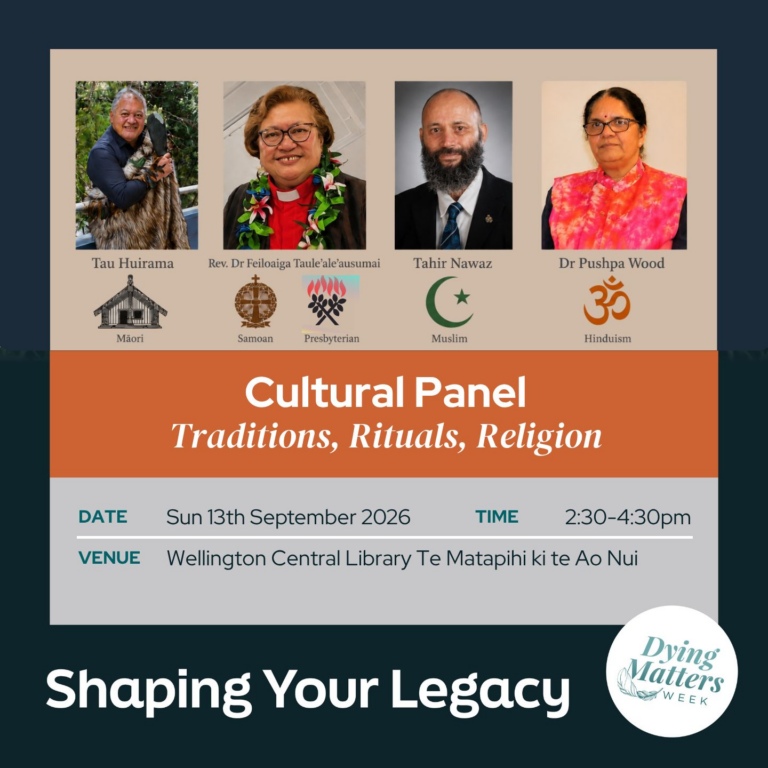
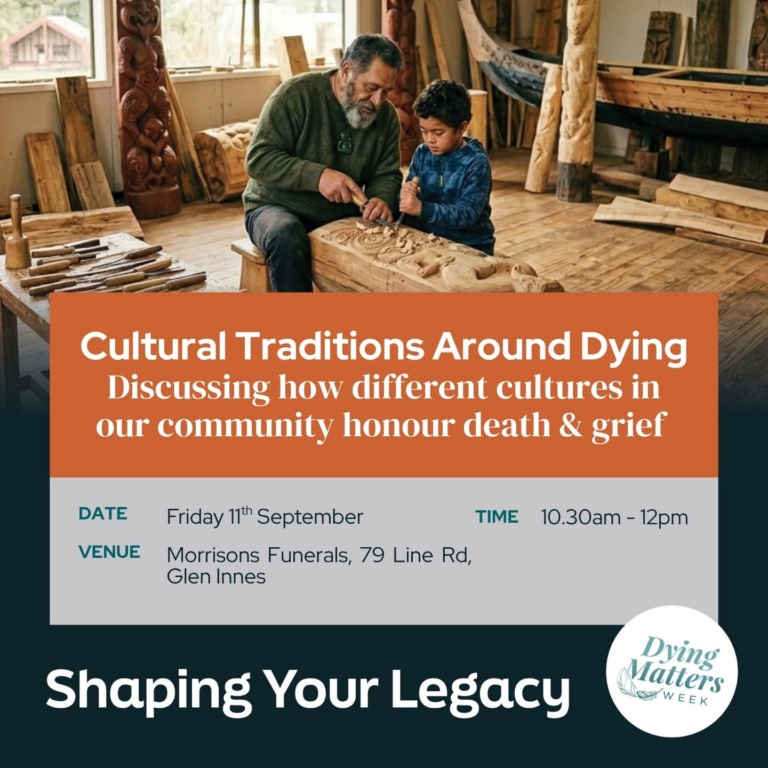
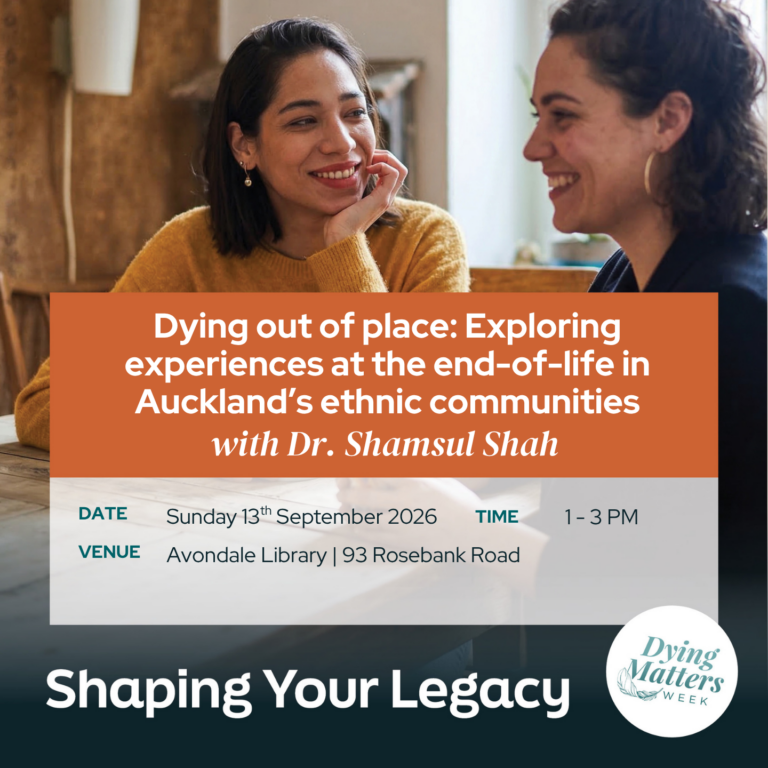
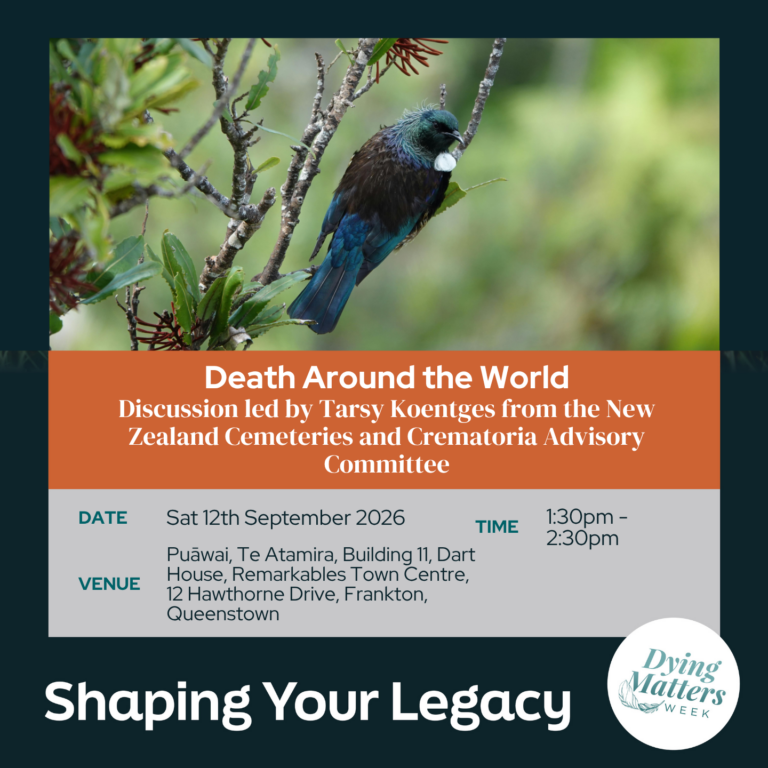
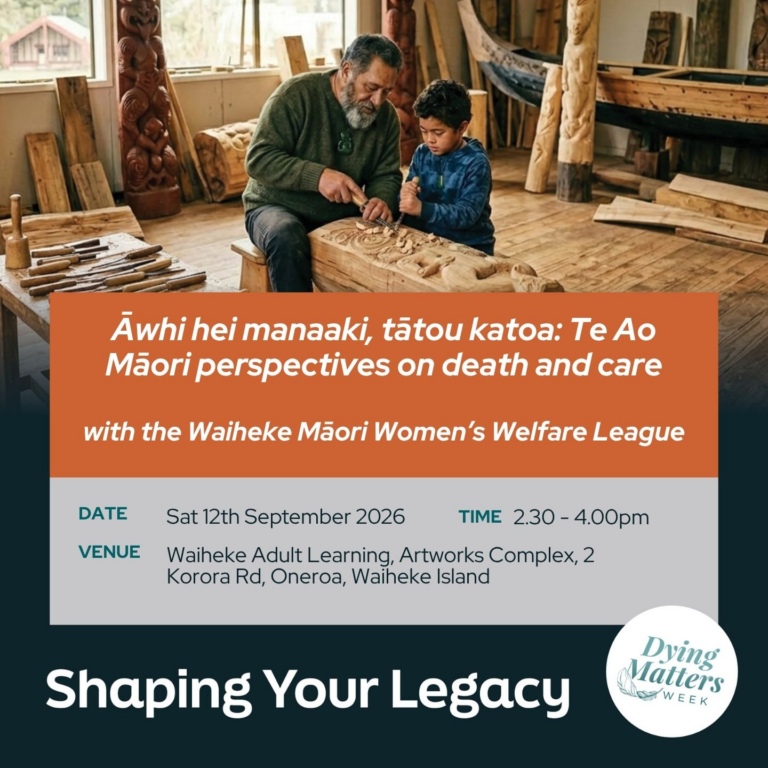
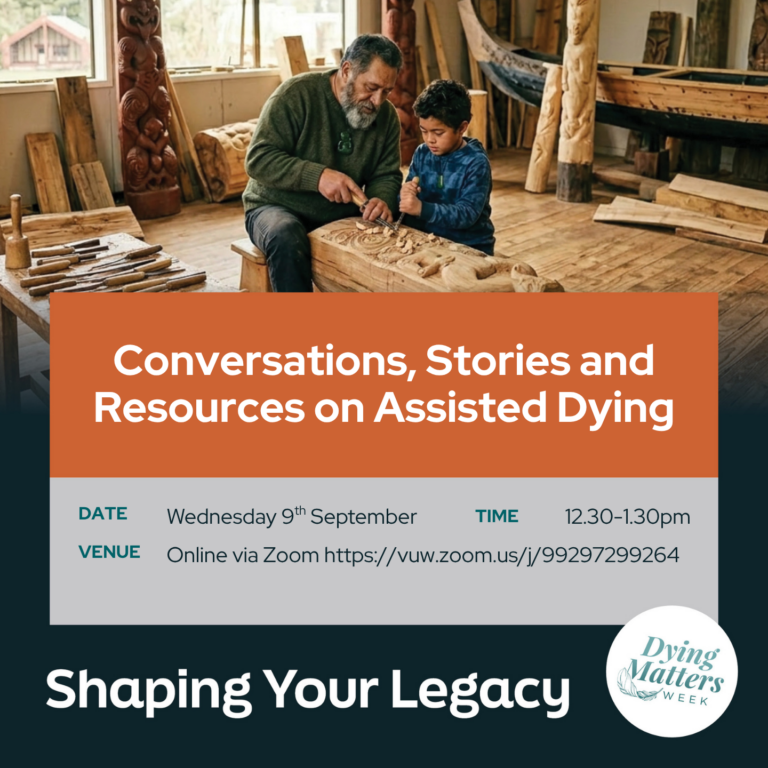
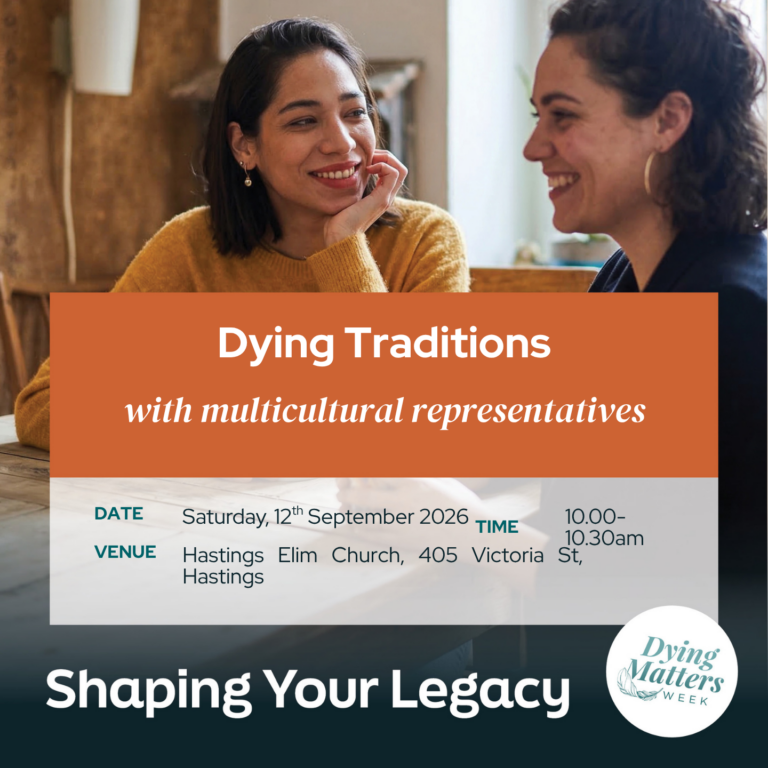

Explore traditions and Customs
Understanding these differences matters, whether you’re planning your own farewell, supporting a friend from a different background through loss, or simply curious about the traditions around you. You can explore our guides to Te Ao Māori, Hinduism, Islam, Buddhism, Christian, Catholic, and Sikh customs and rituals any time.
Sharing these perspectives also plays an important part in bringing death and dying out of the shadows and into the spotlight. Learning how other communities approach loss doesn’t just build understanding, it reminds us that grief, however it’s expressed, is something we all share.

Dying Matters Week Updates
Stay up to date with the latest events, resources, and discussions via our Dying Matters Week email newsletter.