Assisted Dying in NZ
Assisted dying in involves a person who is experiencing unbearable suffering from a terminal illness taking or being given medication to end their life. There are strict eligibility criteria to have an assisted death in New Zealand. Not everyone with a terminal illness will be eligible. New Zealanders aged 18 or over who have a terminal illness that is likely to end their life within six months may be able to access assisted dying.
The service involves specific steps, medical assessments and other important safeguards. These are to ensure a person is eligible and that they are making the decision for themselves, without pressure from anyone else. The framework for the service is called the End of Life Choice Act 2019 and the Assisted Dying Service is overseen by the Ministry of Health Manatū Hauora.

The assisted dying process
There is a formal process set out in the End of Life Choice Act 2019 (the Act) for the assisted dying service. A doctor will support you through the assisted dying process. This doctor is known as your attending medical practitioner. The steps involved include:
- Making a formal request for assisted dying to your attending medical practitioner
- Your attending medical practitioner assessing whether you are eligible
- A second, independent doctor assessing whether you are eligible
- If required, a psychiatrist assessing whether you are competent to make an informed decision
- Planning for the assisted death (including choosing a date, time and the method for administering the medication, as well as social, cultural or spiritual considerations)
- Your attending medical practitioner or a nurse practitioner administering the medication.
Your attending medical practitioner will explain this process in more detail when you make a request for assisted dying. They will support you and answer any questions you and your family/whānau might have. A clinical advisor from the Ministry of Health will also offer support and information to you and your family/whānau throughout the process.
ASSISTED DYING RESOURCES AND GUIDES
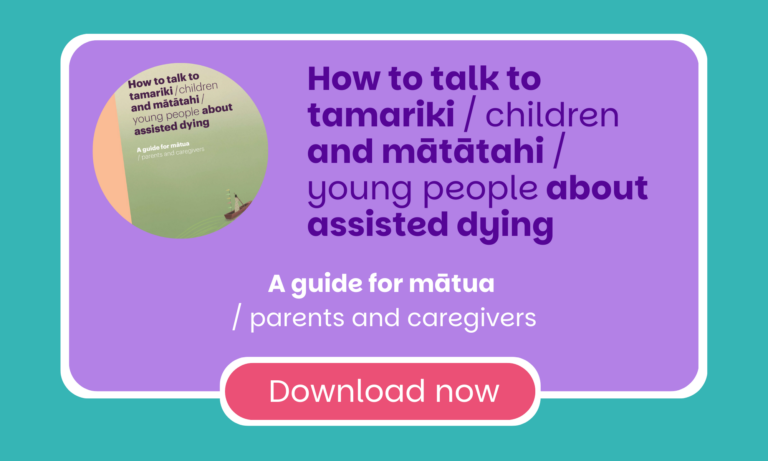


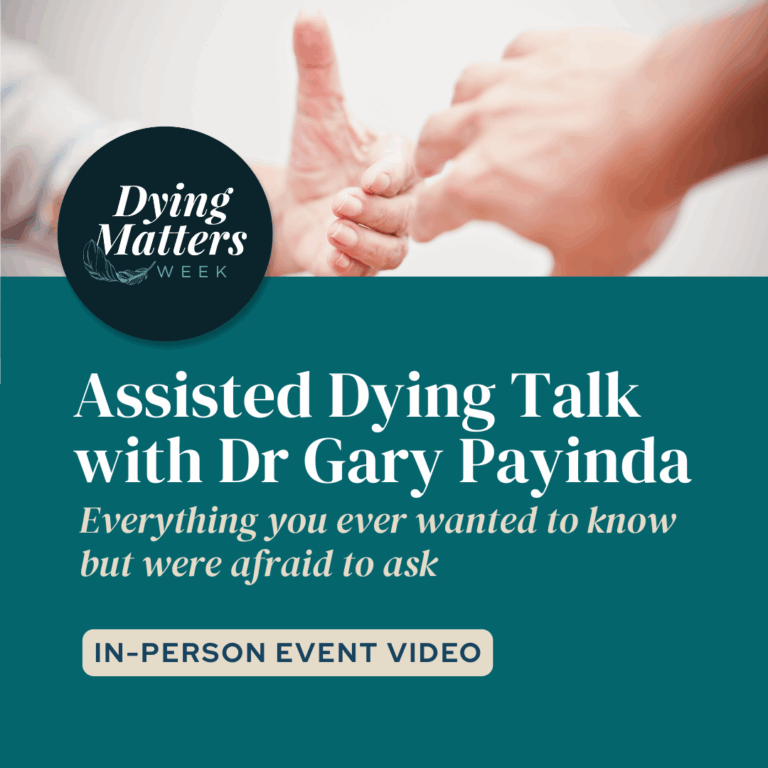
Talking to your doctor about assisted dying
If you are considering assisted dying, you are encouraged to speak to your doctor or someone else in your healthcare team in the first instance. You will need to raise the option of assisted dying with them, as they cannot legally raise this with you.
Some doctors do not provide assisted dying as they may not have the experience or skills needed, or they may conscientiously object due to their personal beliefs. Even if they choose not to be involved, they are legally required to refer to you the SCENZ Group (Assisted Dying Service) who can find you an a doctor who is willing to provide AD.
Email SCENZ or phone 0800 223 852.

Eligibility criteria
You must meet all of the following criteria to be eligible. You must be:
- Aged 18 years or over
- A citizen or permanent resident of New Zealand
- Suffering from a terminal illness that is likely to end your life within six months
- Experiencing unbearable suffering, quality of life or concerns about your future suffering
- In an advanced state of irreversible decline in physical capability, which means that your illness must be getting worse and affecting your physical capability to do everyday tasks, like looking after yourself
- Experiencing unbearable suffering that cannot be relieved in a way that you consider tolerable, which could be based on your physical symptoms or how you feel about your illness – it will be different for everyone
- Competent to make an informed decision about assisted dying, which means you can understand, remember, use, and consider information about assisted dying, and can communicate your decision in some way. You must remain competent to give consent on the day you have choosen for your assisted death.
ASSISTED DYING ResEARCH IN nEW ZEALAND

- Whānau and Māori Community Assisted Dying Kōrero Guide.
- Thinking it Through: Information about assisted dying for adults with terminal illness.
- Grieving the Chosen Death: Assisted Dying Grief Support Resource.
- Assisted dying provider resource: Helping your patients pick a date for their assisted death.
- Conversations, Stories and Resources on Assisted Dying – Dying Matters Week online event

Finding a medical practitioner
The SCENZ Group maintains the lists of medical and nurse practitioners and psychiatrists who are willing to provide parts of the assisted dying services.
The SCENZ Group is a statutory body for the assisted dying service. SCENZ stands for Support and Consultation for End of Life in New Zealand. Responsibilities of the group include:
- Maintaining the list of medical practitioners and psychiatrists involved in providing assisted dying services
- Providing contact details for replacement, or independent medical practitioners as part of the service
- Providing the contact details for when psychiatrists may be required.
The secretariat will work with the Support and Consultation for End of Life in New Zealand (SCENZ) Group to coordinate all requests for practitioners who deliver parts of the assisted dying services. Email SCENZ or phone 0800 223 852.
Planning for an assisted death
If you are eligible for an assisted death, you will take or receive the medication (by injection or orally) at the date, time and location you have agreed with your attending medical practitioner. You can choose to take the medication yourself, or have it administered by your attending medical or nurse practitioner. Your family and loved ones can be present if this is your wish. Being eligible for assisted dying does not mean you must continue with an assisted death. You can change your mind at any time up until the medication is administered.
The majority of people have an assisted death at home (if this option is available to them). Currently, you are not able to have an assisted death at most hospices in New Zealand and depending on policies, this may not be an option at many rest homes and residential care facilities either. Funeral homes and hospitals may be an option.