Retirement Villages
Moving into a retirement or lifestyle village can be an exciting new stage of life. For many people, it means less time maintaining a property, more opportunities to socialise, greater security and the reassurance of having other people nearby.
But choosing a village is about much more than finding a home you like. Different villages offer very different lifestyles, facilities, care options and financial arrangements. The way you pay for and occupy your home can also be quite different from buying an ordinary house.
Before making a decision, take the time to understand what you are buying, what you will pay while you live there and what happens financially when you leave.
What is a retirement village?
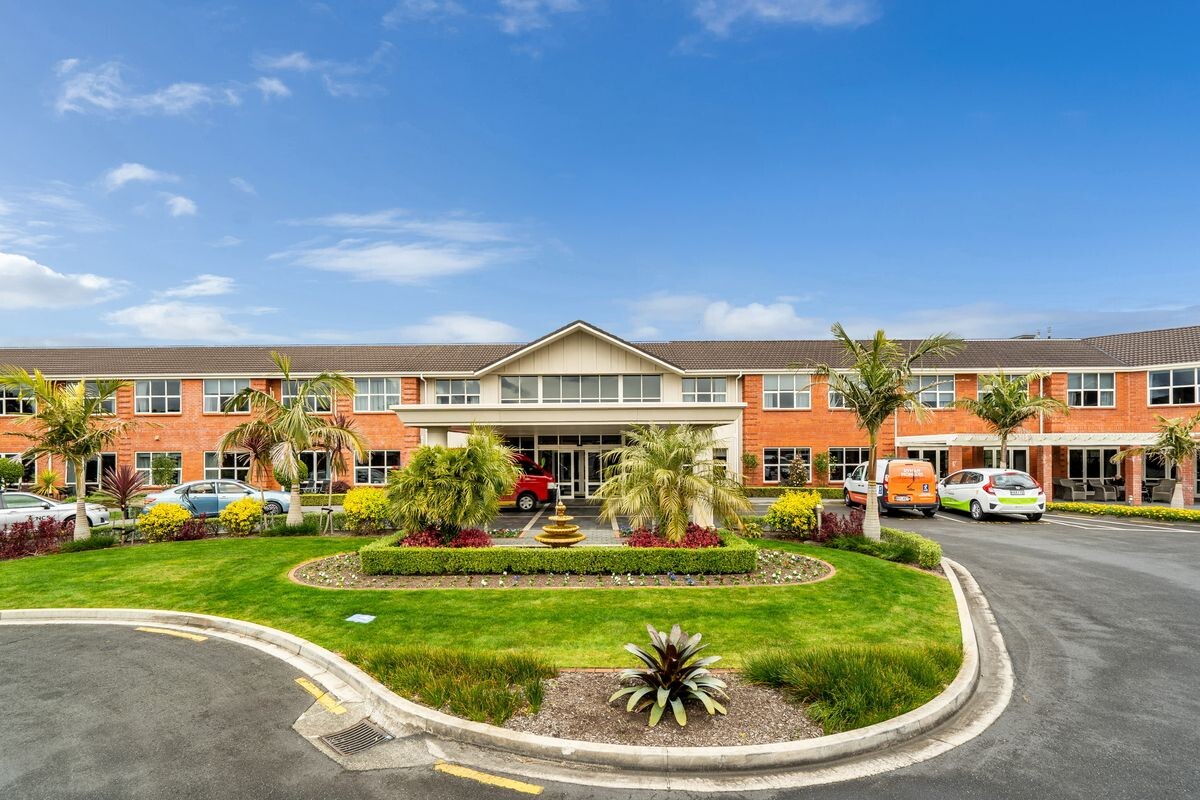
Retirement villages provide accommodation for older people, usually alongside shared facilities, services or both. They can range from small communities of independent villas through to large villages with apartments, swimming pools, restaurants, gyms and extensive social programmes. Some also have rest home, hospital or dementia care available on the same site.
What about lifestyle villages?
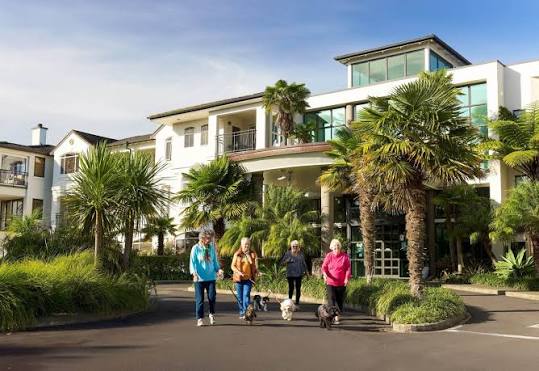
You may also see communities described as: lifestyle villages, over-55s communities, active-living communities and retirement communities. These often place greater emphasis on independent living, recreation and community rather than care.
Some accept residents from age 55 or 65, while traditional retirement villages may have a higher minimum entry age. A lifestyle village may be a registered retirement village, a freehold development, a leasehold arrangement or another type of residential community.

Types of Accommodation
Independent living
Independent villas, townhouses or apartments suit people who are able to live independently but want some of the benefits of village life.
The village may take care of things such as:
- lawns and gardens
- exterior maintenance
- common areas
- security
- community facilities.
You continue to live independently and manage your own day-to-day life.
Assisted living apartments
Some villages offer apartments where residents can remain relatively independent while purchasing extra support. Depending on the village, this might include:
- meals
- cleaning
- laundry
- personal assistance
- medication support
- emergency call systems.
Make sure you understand which services are included and which incur additional charges.
Rest homes and hospital care
Some retirement villages have an aged-care facility on site offering rest home or hospital-level care.
Having a care facility within the village can be reassuring, particularly for couples where one person may eventually need more support than the other.
Living in the village does not necessarily guarantee you a place in the care facility. Ask what happens if your needs change and whether residents receive priority access to care.
Some larger villages also provide secure dementia or psychogeriatric care.
find retirement villages and aged care support in your area







How do you pay for a retirement village?
This is one of the most important things to understand. Moving into a retirement village is often not the same as buying a conventional house. Several ownership or occupation models are used in New Zealand.
- Licence to occupy – A licence to occupy is the most common arrangement. You pay the operator a capital sum for the right to live in a particular villa or apartment. The village operator continues to own the land and building. Your rights, responsibilities and the amount of money you receive when you leave are set out in your Occupation Right Agreement, often called an ORA.
- Unit title or freehold – Some villages allow residents to own their unit through a unit title or another form of freehold ownership. Depending on the arrangement, you may benefit from increases in the value of the property but may also carry the risk of a decrease in value. There may also be body corporate or village management fees.
- Leasehold or lifetime lease – Some villages use long-term leases or leases for life. The operator may continue to own the underlying property while you purchase or pay for the right to occupy it for an agreed period or for your lifetime.
- Rental – A smaller number of villages offer rental accommodation. The financial and legal arrangements can be quite different, so ask exactly which legislation and tenancy protections apply.


What happens when you leave?
This is sometimes called your exit arrangement or exit plan. It is one of the most important parts of your agreement to understand before moving in. Ask:
- How do I terminate my agreement?
- Who decides the resale or relicensing price?
- Who markets the property?
- Can I appoint my own agent?
- Who pays for refurbishment?
- Do weekly fees continue after I leave?
- When does the deferred management fee stop accumulating?
- When will I receive my capital repayment?
- What happens if the unit takes a long time to relicense?
- What happens if I die while living in the village?
- How quickly will my estate receive the money?
Historically, repayment in many villages has depended on the unit being relicensed to another resident, meaning residents or their estates can sometimes wait for their money.
What happens if you need more care?
Residential aged care funding operates separately from your retirement village agreement, so it is worth understanding both systems. Think about this before you need it. Ask the village:
- Is there a rest home on site?
- Is hospital-level care available?
- Is dementia care available?
- Are residents guaranteed a place?
- What happens if no room is available?
- Can one partner remain in the villa while the other moves into care?
- Will we have to sign another Occupation Right Agreement?
- Is there another deferred management fee?
- What are the additional care-room charges?
- Are there premium room fees?
- Can home-care services come into my villa?

How to apply for a retirement village?
Each village has its own application process, but it commonly involves the following steps.
- Explore your options – Visit several villages rather than choosing the first one you see. Try to visit more than once and, if possible, attend a community event or speak with residents.
- Join a waiting list – Popular villages or particular villa styles may have waiting lists. There may be a refundable registration fee, depending on the village.
- Choose a villa or apartment – Once one becomes available, the village will usually explain the price, ongoing fees and financial arrangements.
- Receive the disclosure documents – For a registered retirement village, you should receive important documents including the: Disclosure Statement, Occupation Right Agreement, Code of Practice, Code of Residents’ Rights.
- Arrange independent legal advice – Your lawyer should be independent of the village operator and experienced in retirement village agreements. It can also be useful to talk to a financial adviser.
- Sign the agreement – Once you understand and accept the terms, the ORA can be signed. For registered retirement villages, the law generally gives you 15 working days after signing to cancel the agreement without giving a reason.
- Sell your existing home if necessary – Think carefully about timing. Ask what happens if your house takes longer than expected to sell and whether any deposit you have paid is refundable.
- Settlement and moving day – Once settlement occurs, you can move into your new home.
Take your time
Moving into a retirement or lifestyle village can provide freedom, companionship, security and a wonderful new community. It is also a significant legal and financial decision. Visit more than one village, involve the people you trust, ask lots of questions and make sure you understand both how you get in and how you get out. The right village isn’t simply the one with the nicest villa or the best swimming pool. It’s the one whose community, facilities, future care options and financial arrangements work for the life you want to live.