Dying Matters Week 2026 Conversations Across Aotearoa
For one week in September, communities across Aotearoa came together to talk about something that affects every one of us – dying, death, grief and what it means to plan ahead. This was the third year that Dying Matters Week has been held nationally in Aotearoa.
From Northland to Otago, Dying Matters Week 2026 brought conversations about death out into the open through workshops, Death Cafés, expos, panel discussions, hospice events, poetry, music and opportunities to step behind the scenes of the deathcare sector.
More than 200 in-person events took place across 12 regions, but it wasn’t simply the size of this year’s programme that was exciting, it was the extraordinary variety of ways communities chose to start the conversation.
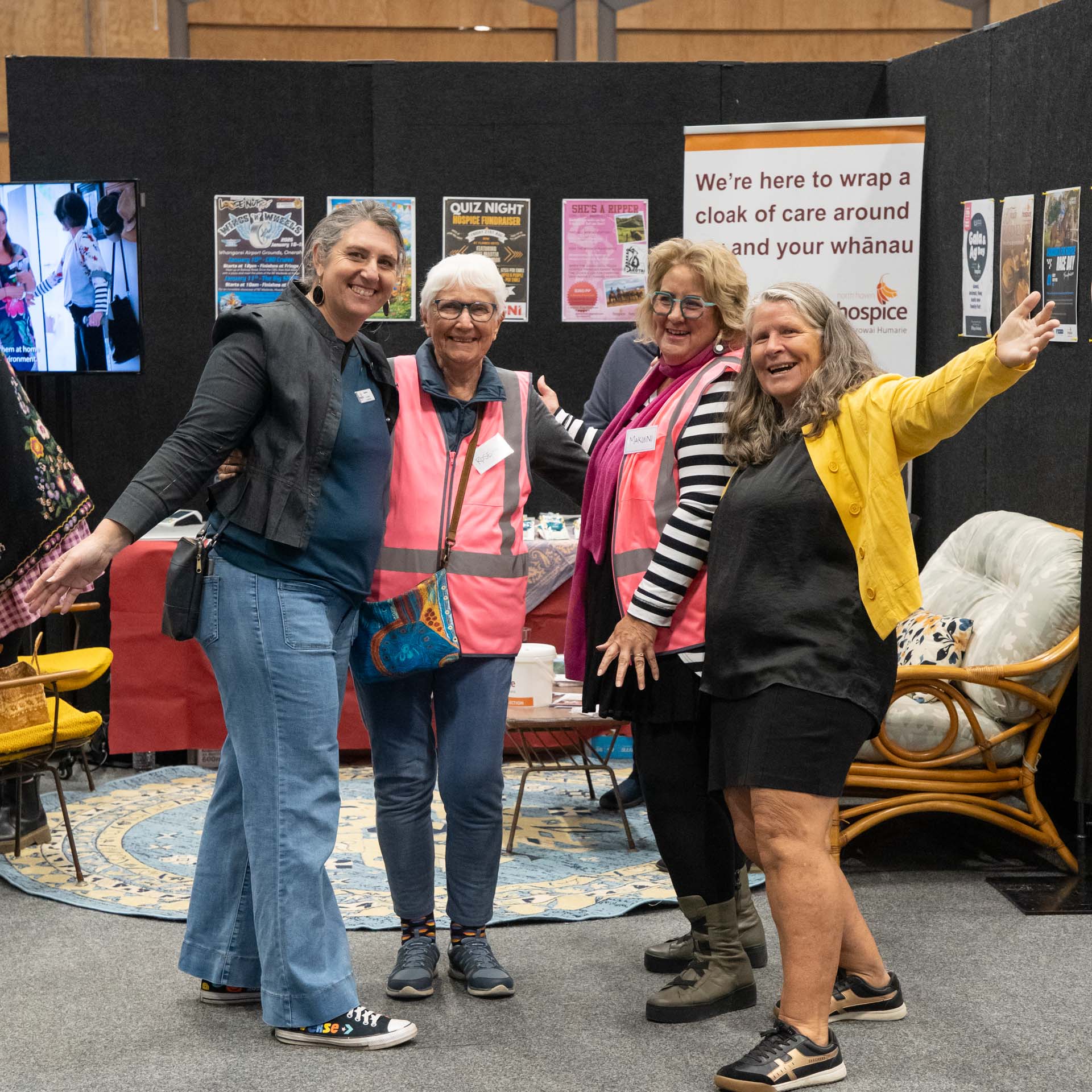
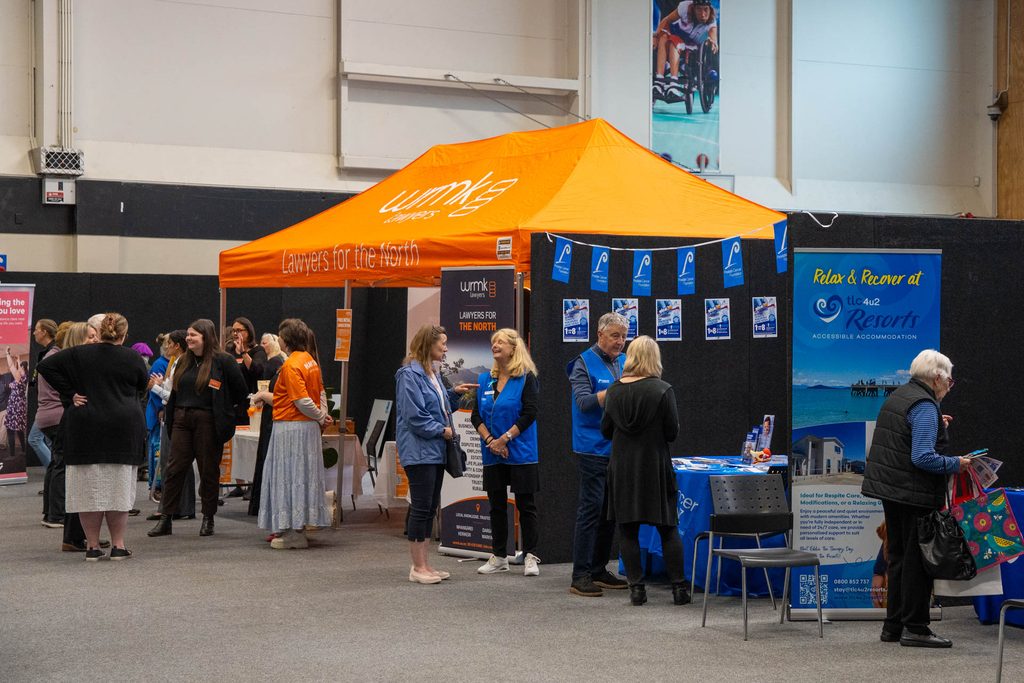
Expo events bringing together local businesses
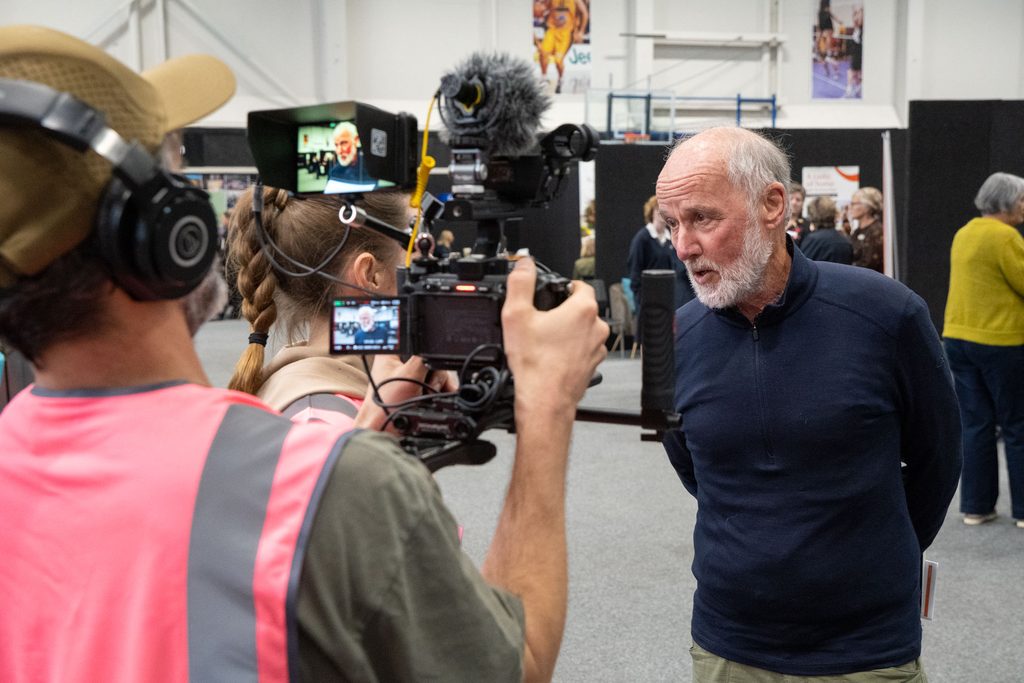
A real highlight this year was the growth of expo-style events, with eight communities bringing local businesses, healthcare providers, community organisations and professionals together under one roof.
These events gave people an easy, approachable way to explore their options, ask questions and have face-to-face conversations with people who could help – whether they wanted to know more about planning ahead, ageing and healthcare, end-of-life support, funerals, grief, legal matters or finances.
For many attendees, there was no need to arrive knowing exactly what they were looking for. They could wander, discover services they may not have known existed and start conversations about topics they might otherwise have put off.
And the expos were just one part of a week filled with opportunities to talk, listen, learn and connect.
From Death Cafés to planning ahead
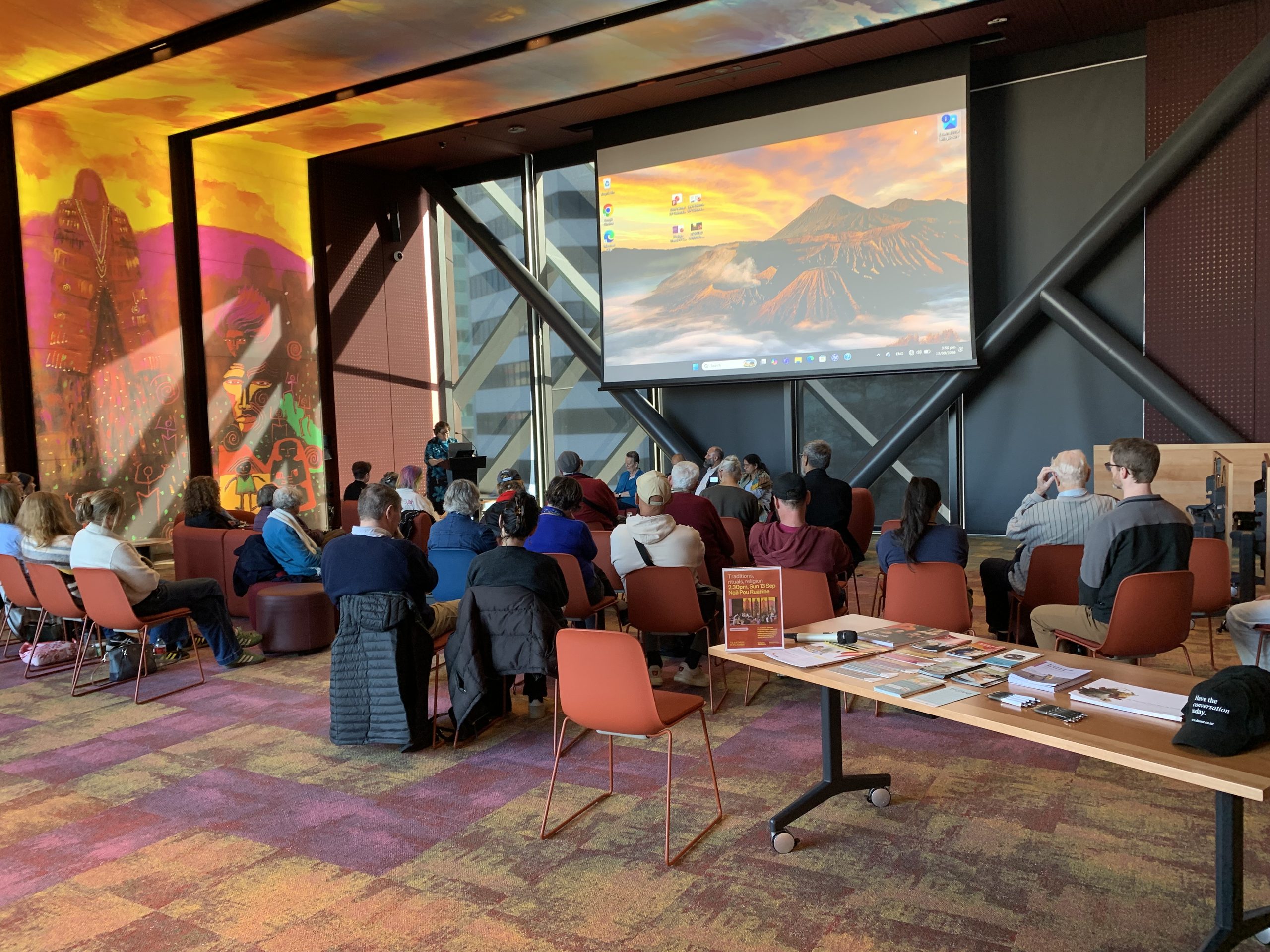
In libraries, community spaces, hospices and other venues around the country, people gathered to talk about subjects we often know are important but don’t always know how to begin.
There were workshops on wills, Enduring Powers of Attorney and estates, along with Advance Care Planning sessions helping people think about what matters to them and the healthcare they would want in the future.
For some people, attending an event might have meant finally getting an answer to a question they’d been carrying for years. For others, it may simply have been the nudge they needed to go home and start a conversation with their own whānau.
Opening the doors on deathcare
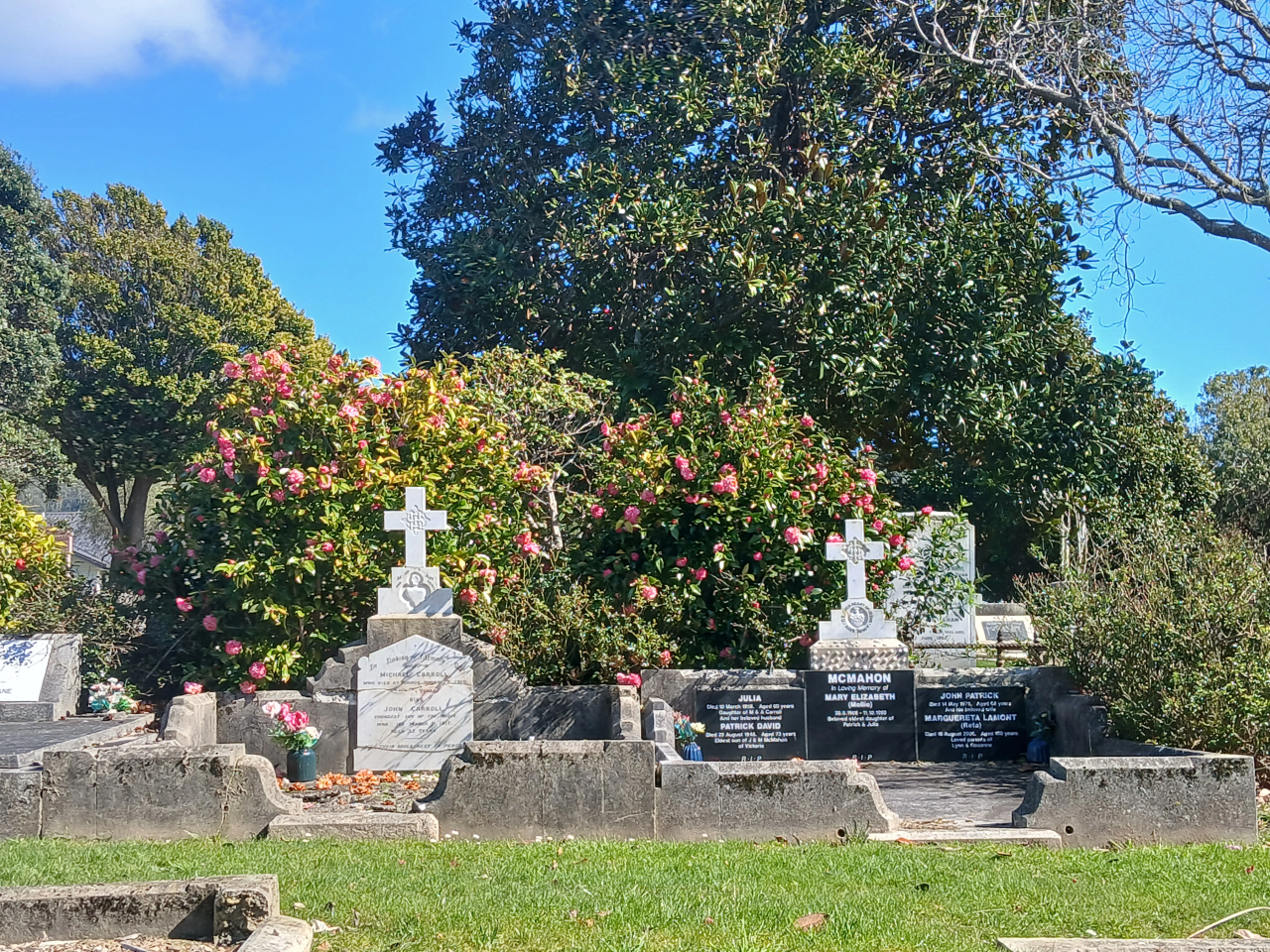
Some of the most fascinating events during Dying Matters Week were those that took people behind the scenes of what happens after someone dies.
Funeral homes, cemeteries, crematoria and others working in deathcare opened their doors, inviting people to come in, look around and ask questions.
For many of us, this world remains largely invisible until someone we love dies. Being able to explore it without the pressure of organising a funeral can take away some of the mystery and help people better understand the choices available.
Hospices, doulas, libraries and communities
Dying Matters Week has always been about communities creating conversations that work for their own people.
This year, hospices around the country opened their doors, hosted talks and helped people better understand palliative and end-of-life care.
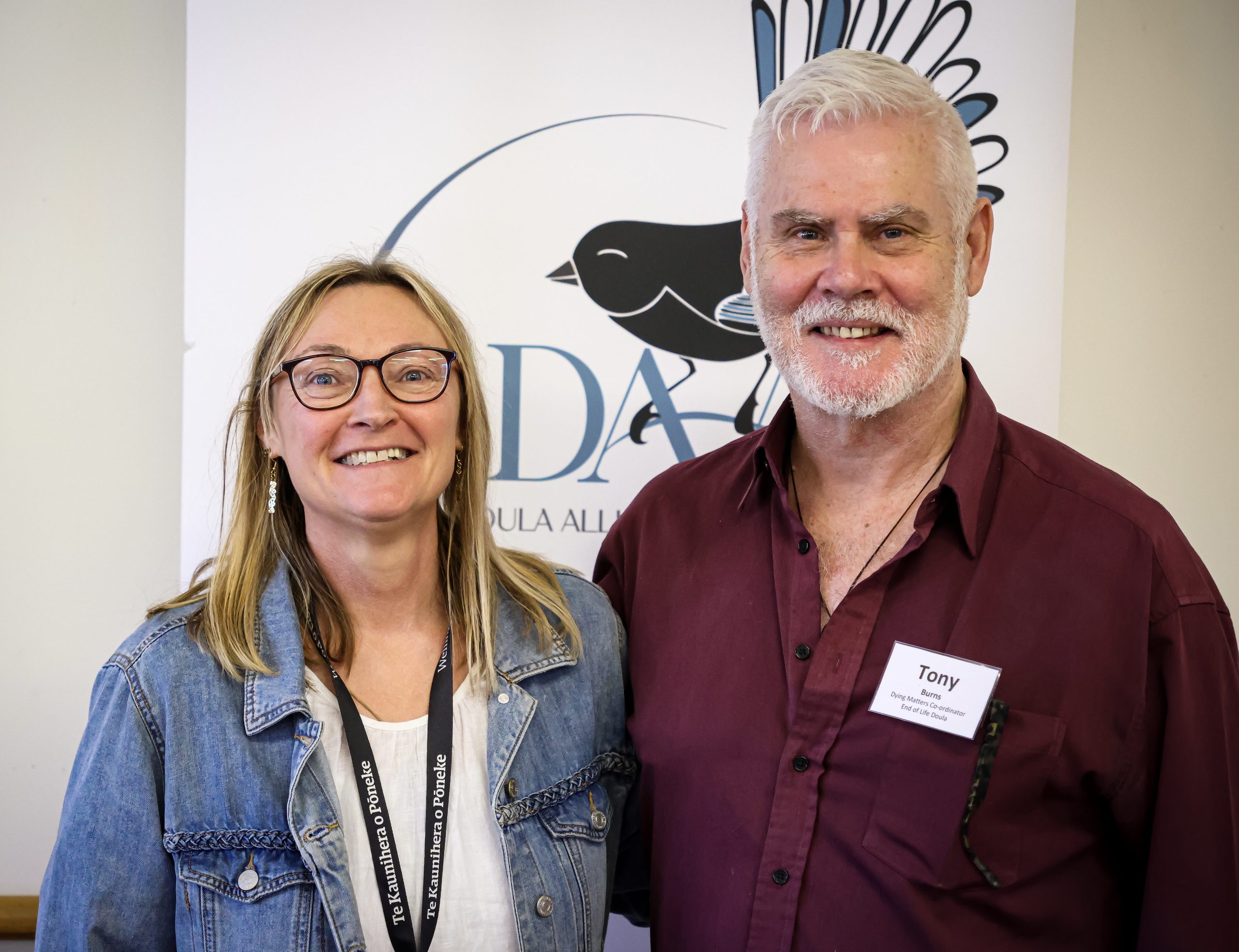
End-of-life doulas ran workshops and conversations about the practical and emotional support available to people approaching the end of life and their whānau.
Libraries and councils became important gathering places too, hosting Death Cafés, information sessions and other community events.
It reinforced something at the heart of Dying Matters Week: dying isn’t only a healthcare issue. It’s a community issue.
Funeral songs, poetry and bucket lists
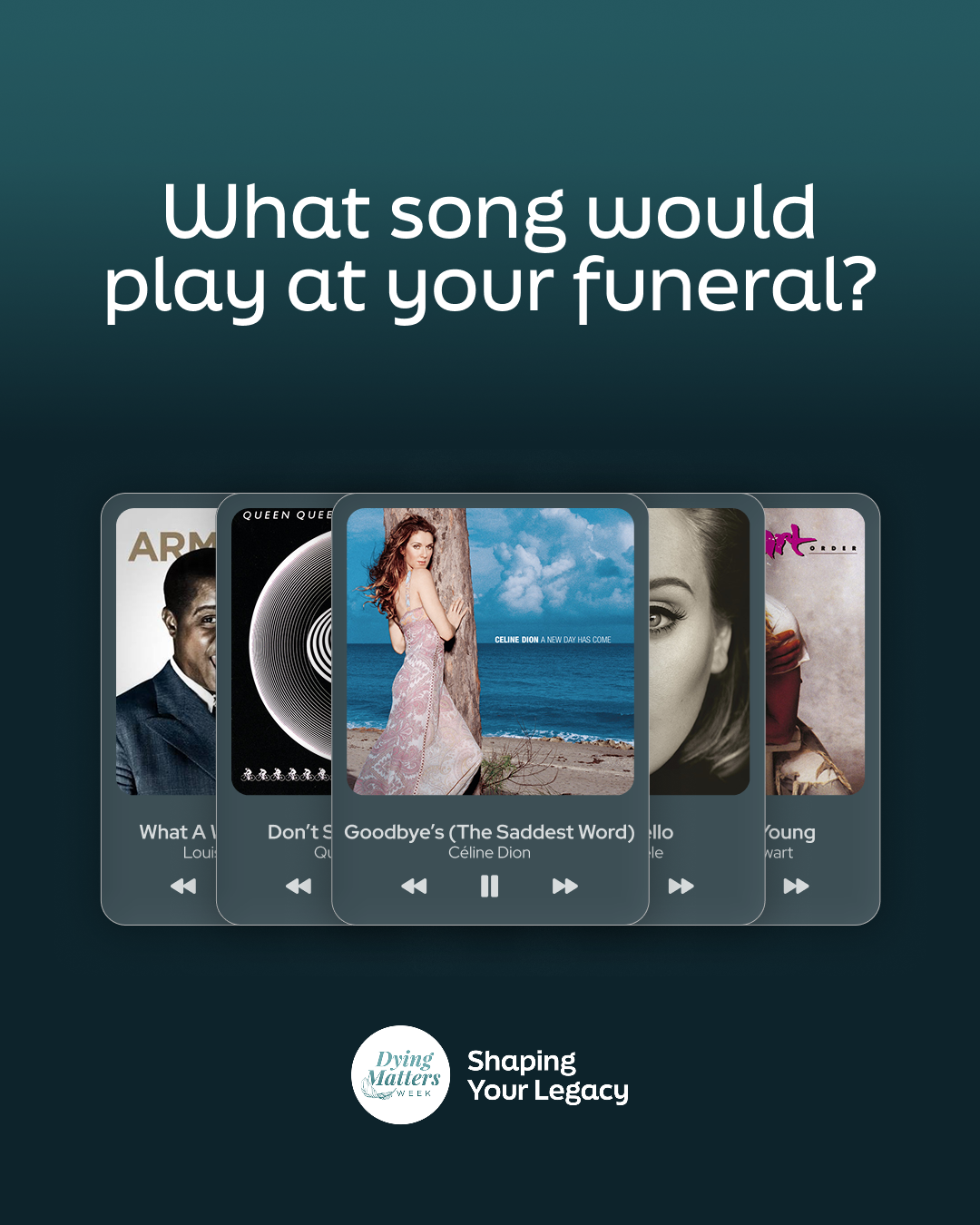
Not every event or activity started with the serious stuff. Ahead of the week, we asked New Zealanders to help create NZ’s Ultimate Funeral Playlist – and the response was wonderful. Hundreds of song suggestions came in, creating a very Kiwi soundtrack to the way we might choose to remember and farewell the people we love.
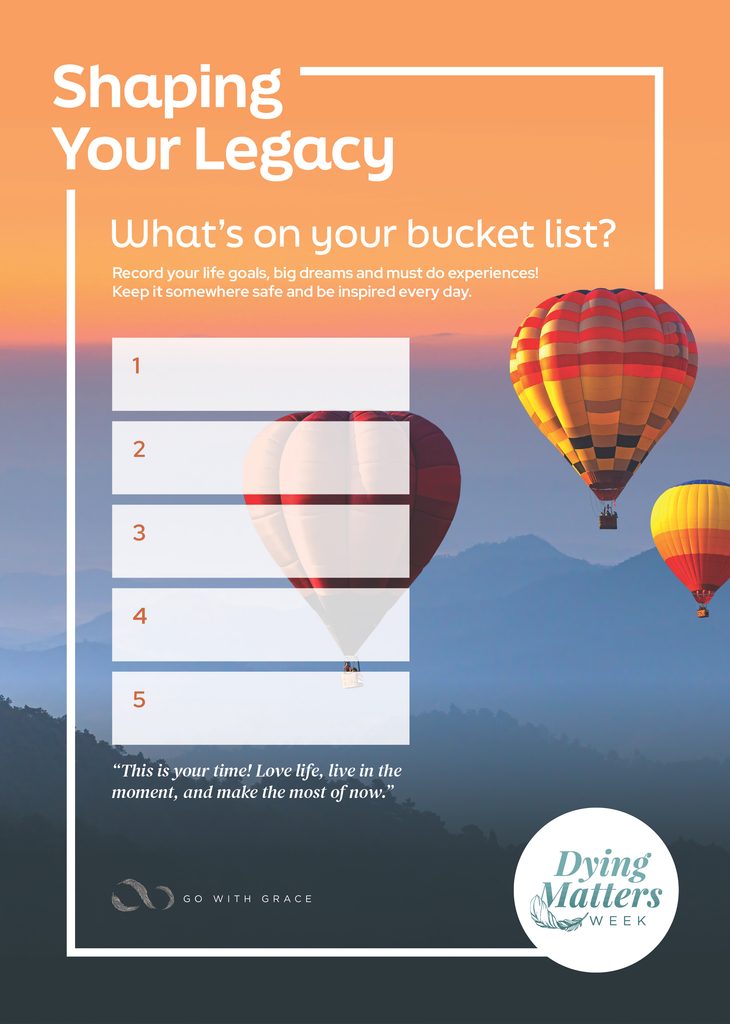
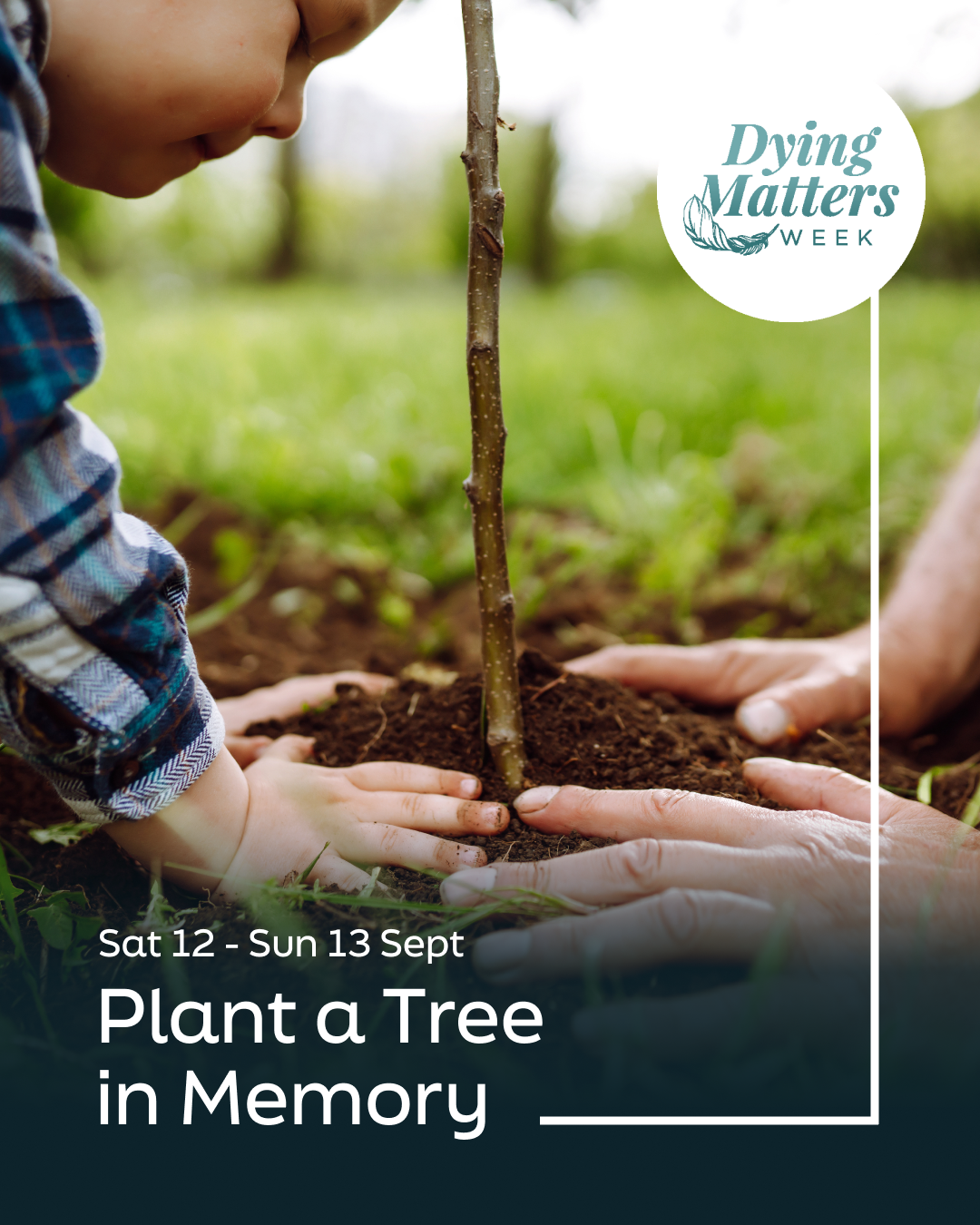
Three poetry collections were also published as part of Dying Matters Week, alongside our Bucket List Poster and other resources designed simply to get people thinking and talking. These more creative parts of the programme matter too. Conversations about mortality don’t always need to be sombre. They can be about music, memories, humour, stories, culture and the things that make a life meaningful.
Taking the conversation beyond the events
Dying Matters Week also travelled well beyond the rooms where events were being held. Stories appeared across national, regional and community media, including 1News, RNZ, the NZ Herald/Northern Advocate and other local media and community channels. Thousands more visited the Go With Grace website looking for events and information in their own communities.
And that’s important, because someone doesn’t necessarily need to attend an event for Dying Matters Week to make a difference. Hearing a podcast interview might prompt someone to ask their parents whether they have an Enduring Power of Attorney and seeing a Facebook post about Advance Care Planning might finally prompt someone to write down what matters to them.
Thank you Aotearoa!
To every regional coordinator, event host, speaker, hospice, library, council, end-of-life doula, funeral director, lawyer, healthcare professional, community organisation, business, volunteer and partner who helped bring Dying Matters Week 2026 to life – thank you. And a huge thank you to everyone who came along.
Whether you attended a workshop, toured a funeral home, visited an expo, joined a Death Café, listened to a speaker, asked a question or simply went home and started a conversation with someone you love, you were part of making dying and death a little easier to talk about.
Dying Matters Week may be over for another year. But we hope the conversations it started are only just beginning.