After a Suicide
Losing someone to suicide can be one of the hardest and most shocking things you have to endure in your life. It is likely to leave you with many unanswered questions and different emotions, including hurt, sadness, helplessness, anger and fear.
After a person dies by suicide, a number of organisations are likely to become involved as official processes need to take place by law and this can take some time. Keep reading to find out more about what to expect and get answers to some of the most common questions around the laws and processes.

Police Investigations
By law, the police are required to attend the scene where someone has died from any sudden death, including suicide, to investigate its cause. This might be a very difficult process for the loved ones, especially because it can take some time and that means time away from your loved one. However it is important for the police to investigate all deaths as this could help to prevent further suicides in the future.
The police might need to examine personal items of the person who has died – including their mobile phone and computers, to help with their investigation. If there was a note left, the police might take this, but you can request a copy of the note to be kept in the meantime and have the original note returned to you once the investigation is complete.
Coronial process
Most suicide inquiries are completed in chambers by the coroner (called a ‘hearing on the papers’), without anyone else present. If the coroner would like to hear from witnesses, they will hold a hearing in court (called an inquest). These are usually open to the public, meaning anyone can attend, including the media.
Family members are able to write to the coroner and contribute details about the person who has died, including an explanation of who they were in life and what was going on in their life at the time of their death. This can help the coroner to understand more about the person who has died.
If you are part of the immediate family, it is your right to be kept informed and up-to-date with the coronial process. Keep in contact with the duty coroner’s office about what is happening with the post-mortem and/or body tissue samples, and to find out when the body will be released. This usually takes two or more days.
When the inquiry is complete, the coroner will release their findings, and a copy may be sent to others (including the media if it is requested). The findings are a public document and any member of the public can request a copy.

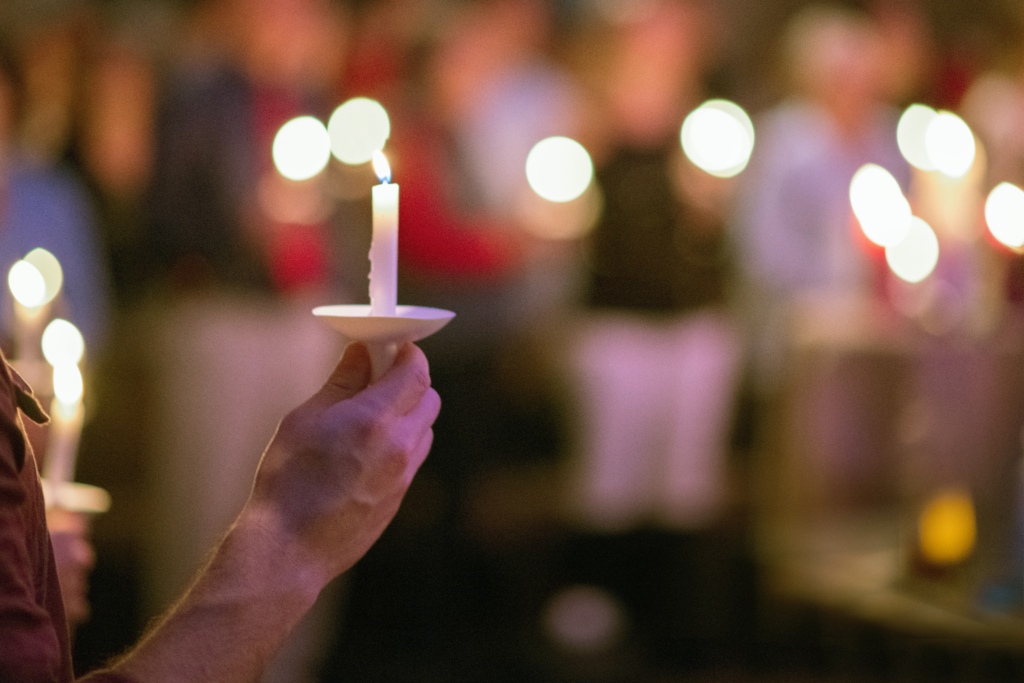
Blessing the site where someone has died
Blessing the site where someone has died can be very important for some families, whānau or communities. You can contact your local church, marae or faith centre to organise this. Alternatively this can be done informally with close friends and family. You may like to burn some sage through the site, offer a few words such as a prayer or blessing and say a farewell your loved one.
Talk about how you are feeling
It’s important to talk frankly and honestly about your emotions. Choose someone you trust to confide in, this might be a family or whānau member, a close friend, your doctor or a counsellor. Whoever it is, talk honestly as this can help release the stress and emotional tension inside you.
Whatever you’re feeling, it’s okay. It can take many months – and even years – to come to terms with a loved one dying by suicide. Continuing to talk about those feelings is very important, as your thoughts, concerns and questions will change over time. If you feel your emotional or physical state is getting worse and disrupting your daily life, it’s important to talk to someone who is professionally trained in this area and can help you.


Look after yourself
When someone you know or love has died by suicide, you may lose motivation to care for yourself and you may even have feelings of wishing you were no longer living. This is normal but it is very important to share these feelings with others, so they can support you to process your grief, and find small ways to support your journey though this incredibly heartbreaking time. Looking after your physical and mental wellbeing is also very important to ensure you are strong enough to find a way to live with your grief.
- Be patient with yourself – give yourself time and space to grieve
- Seek out professional support to understand how and why your loved one may have died by suicide
- Stay connected with your friends and family, be honest with them about how you are feeling
- Keep talking to people who are willing to listen and help; share your fears and worries
- If you’re also supporting others, make time for yourself as well
- Prioritise eating well and drinking lots of water (grieving can leave you dehydrated)
- Keep up your routines and as much as you can, ensuring lots of rest and sleep
- When you feel overwhelmed, try taking long and deep breaths
- Seek out local or online support groups with others who may understand your feelings
- Spend time in nature, including bush walks and being near the ocean if possible.
Frequently asked questions
By law, the police are required to attend the scene where someone has died from any sudden death, including suicide, to investigate its cause.
The police might need to examine personal items of the person who has died – including their mobile phone and computers, to help with their investigation. If there was a note left, the police might take this, but you can request a copy of the note to be kept in the meantime and have the original note returned to you once the investigation is complete.
Most suicide inquiries are completed in chambers by the coroner (called a ‘hearing on the papers’), without anyone else present. If the coroner would like to hear from witnesses, they will hold a hearing in court (called an inquest).
These are usually open to the public, meaning anyone can attend, including the media.
Family members are able to write to the coroner and contribute details about the person who has died, including an explanation of who they were in life and what was going on in their life at the time of their death. This can help the coroner to understand more about the person who has died.
If you are part of the immediate family, it is your right to be kept informed and up-to-date with the coronial process.
These cases often take longer than average, because they usually involve more detailed investigation. A typical timeframe for suicide cases is about 12-24 months, or 2–3 years (or more) if there are complexities.
– The Coroner usually requests detailed mental health records and treatment history
– Input may be needed from health services, GPs, or DHBs/Te Whatu Ora
– Sometimes there are system-level questions (e.g. care provided, missed opportunities for intervention)
– Families are often given a chance to provide input, which can add time but is important
When the inquiry is complete, the coroner will release their findings, and a copy may be sent to others (including the media if it is requested).
The findings are a public document and any member of the public can request a copy.
Suicide can sometimes affect whether someone’s life insurance will be paid out. This usually depends on the terms of the life insurance policy but most insurance policies will cover suicide if the policy has been held for over 12 months. Talk to the insurance company to find out more about your loved one’s policy.

Kirsten O’Connor: Talking about Suicide and Grief
In this episode, we’re chatting with Kirsten O’Connor about suicide and grief – and the harm we can cause when we respond with silence.
Kirsten lost her 24 year old daughter, Kahlia, to suicide, and has since been on a discovery of grief – documenting her own experience, exploring the impacts of grief on the brain and body, and helping others to understand grief through authoring books and running grief-focused writing programmes.
She explains why the worst response we can have when someone is grieving – especially after a suicide – is to not talk about it.