Speakers
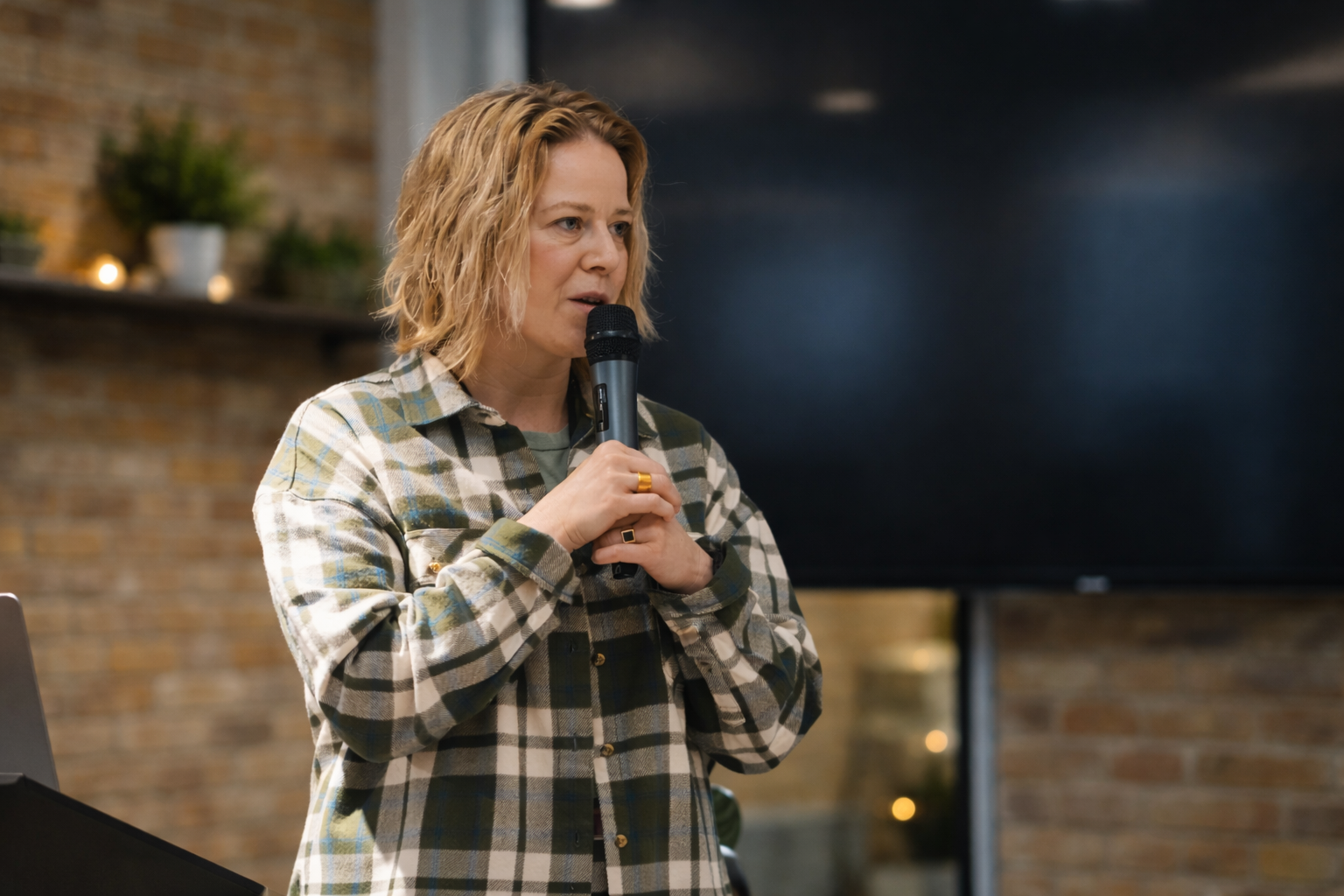
Sometimes, it’s the words that are spoken at funeral services that are the most memorable to the people who attend. When you’re planning your loved one’s final farewell, it’s important to take some time to choose the speakers carefully.
Choosing a funeral celebrant
A celebrant or emcee can be anyone you choose. It could be a friend of the person who has passed away or someone who is part of the wider family. It can be difficult for someone very close to the deceased to be able to perform these duties.
If you have religious connections to a faith community, the leader of that community would usually take the service as part of their role. If your religious beliefs are not so strongly identified, you may prefer a less formalised service. For example, if your family is Christian but doesn’t belong to any particular Church, you can choose a non-denominational service based on Christian beliefs, taken by a lay preacher or celebrant and tailored to your personal needs.
You can hire a funeral celebrant who is a member of the community who has a special interest in leading public ceremonies. They will spend time with you and your family in the days leading up to the service, to get to know you all and understand your wishes for the service.

What should a funeral speaker talk about?
A funeral speaker would usually talk about: who the person was; meaningful memories; what they loved / were known for; their impact on others; gratitude and farewell.
It doesn’t have to be formal and if it suits the person, light humour is often comforting.
Just avoid anything that could embarrass the family or feel like an “inside joke” nobody understands.
If multiple people wish to speak, it can be a good idea to: limit speeches and suggest written tributes; combine speeches (two people speaking together); invite people to share stories at the wake instead.
Frequently Asked Questions
There is no set structure that you need to follow, it is your choice whether to have one speaker or ten.
No. There’s no obligation. Grief hits differently, and it’s totally okay to decline or ask someone else to read something on your behalf.
Usually yes. It keeps the flow smooth and reduces awkwardness.
Yes, especially if you’re representing: a workplace; a club/church; the wider community. Just keep it respectful and focus on their legacy.
The main difference between a speaker at a funeral and a celebrant lies in their role, responsibilities and level of involvement in the overall service. A celebrant is the person who plans and leads the entire ceremony, while a speaker (or eulogist) typically delivers a specific tribute, story, or reading during that ceremony.
A eulogy is a speech about someone’s life, memories shared and moments experienced to give tribute to a person who has died and the people they have impacted throughout their lifetime.
The eulogy is usually read aloud at a farewell service or memorial by a family member, close friend, religious figure or a celebrant. Read more about eulogies and obituaries.