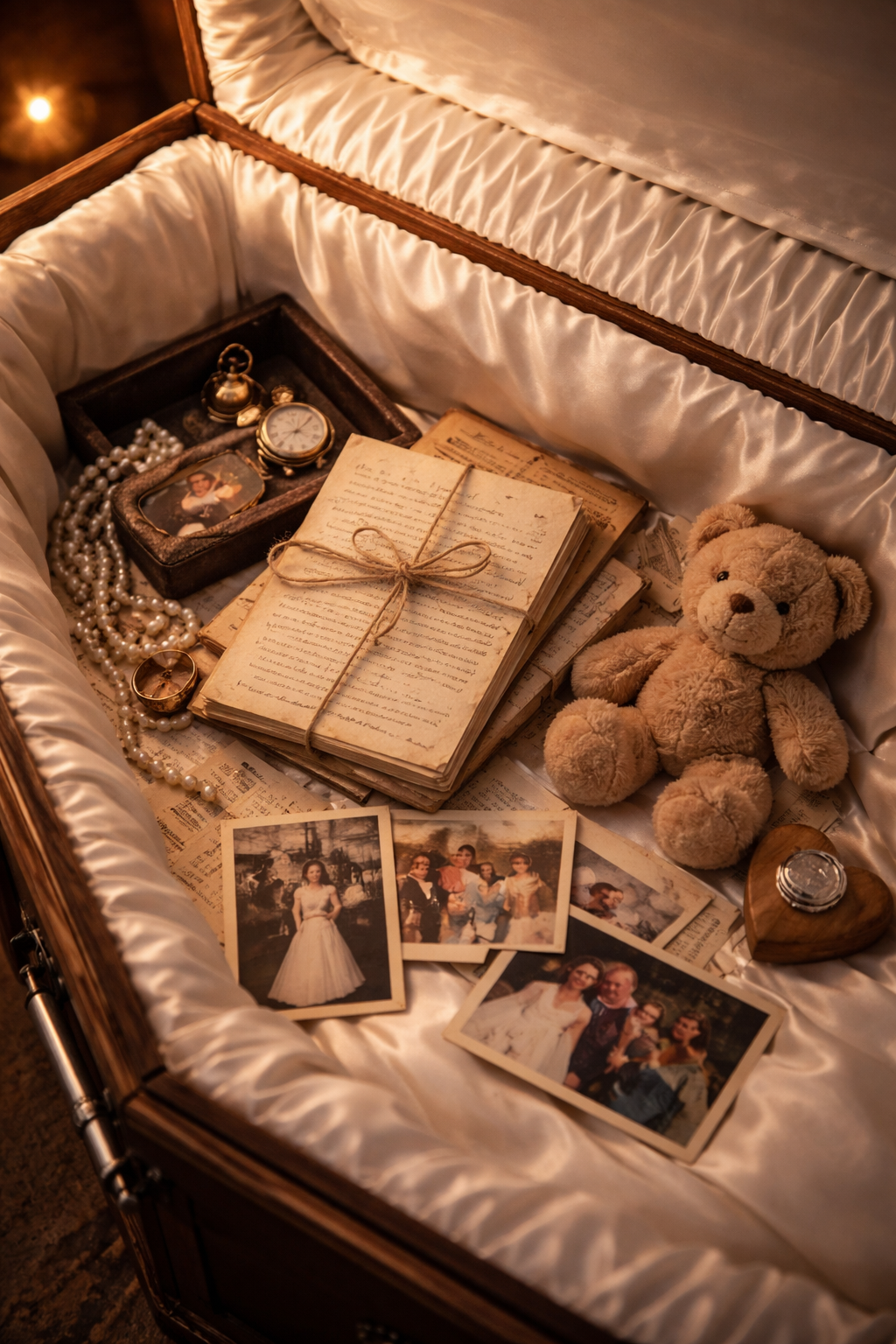
Caskets, Coffins, Shrouds & Urns
The type of casket or coffin you choose might vary depending on whether you’re planning a burial or cremation. You may also consider having your loved one wrapped in a simple shroud on a wooden base.
During cremation, the entire coffin is cremated along with the body, so many people opt for simple materials and there are now also environmentally friendly options available, such as sturdy cardboard. All coffins for cremation must have the deceased’s name written on or attached to them in order to track the identity of the remains through the cremation process.
DIY Coffin Making
If you are planning your own farewell and want to make your own coffin, or you are arranging a farewell for a loved one and would like a personalised urn or casket, there are a number of options available to you.
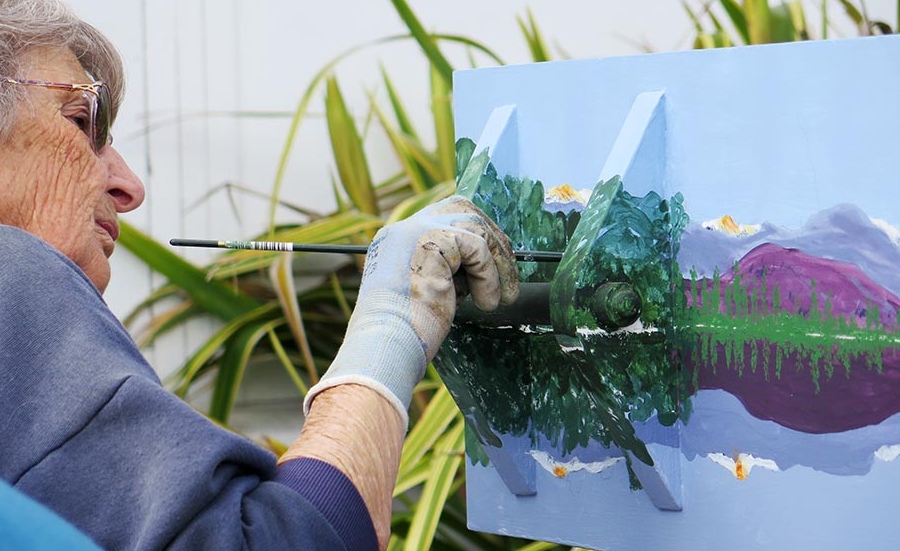
By being more involved in the process of building, choosing or decorating a coffin for your loved one, you can ensure their final resting place is appropriate for them and truly reflects their personality and values.
Coffin Clubs offer practical help for those seeking the therapeutic experience of DIY coffin making and decorating as well as selling finished customised coffins at lower prices than they would typically be available from a funeral home.
Find Caskets, Coffins, Shrouds & Urns in New Zealand
What is a burial shroud?
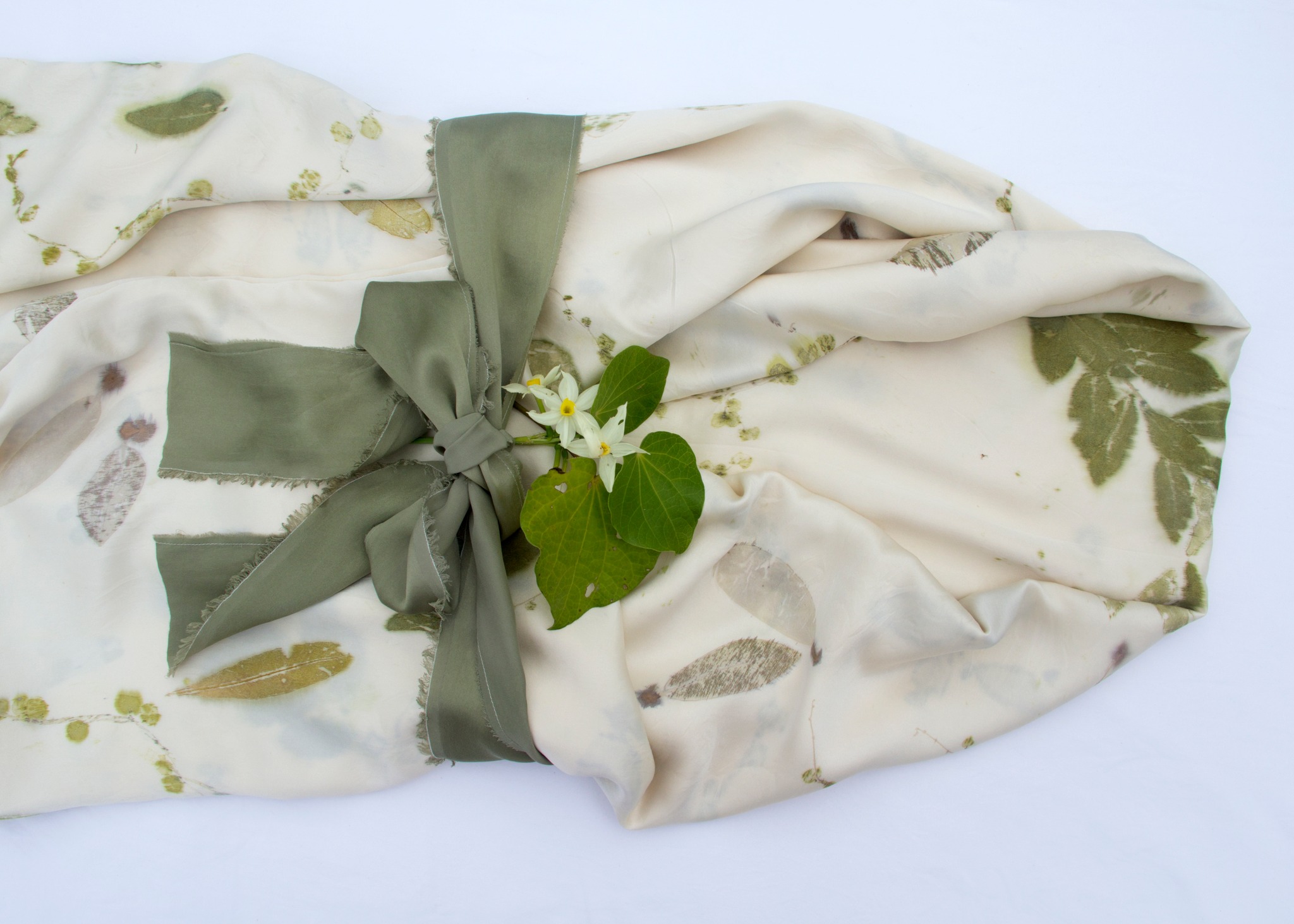
A shroud is a long piece of fabric that wraps the body. Natural fabric, such as linen, silk or wool is required for cremation and natural burials. For transport or cremation, a shroud bearer, or wooden board will be required to place the body on.
Wrapping bodies in shrouds is a practice that has taken place for centuries among many cultures and religions around the world. A body wrapped in a shroud can either be placed inside a coffin, or more commonly, will be carried on a board. For burial at sea, a shroud must be sturdy enough to stay securely intact and have a way to let out any air, such as eyelets sewn in.
A bier is a stand or container on which a shrouded body, coffin, or casket is placed to lie in state or to be carried to the grave or crematorium. Biers range from beautiful handmade willow baskets to simple wooden shroud bearers to metal stands for caskets.
Frequently Asked Questions
Both caskets and coffins are containers for a body to lie inside. Sometimes the words are used interchangeably, but there are a few small differences between the two. Coffins are tapered toward the feet and have a removable lid. Caskets are rectangular in shape and sometimes have a hinged lid. The hinge lid of a casket can come in two different styles. Full couch means the lid is in one piece, half couch means the lid has two partitions. For a viewing before the farewell service, sometimes this is preferred as only the top half of the body is on display.
After cremation, the ashes will be returned in a named, sealed container to be returned to you. Funeral directors will have a selection of urns to choose from or you can opt for a basic wooden box from the crematorium and then choose an urn at a later time. Ceramic, metal, and wood are common materials.
If you’re planning on scattering or burying the ashes soon after cremation, you might opt for something simple. However, if you are planning for the urn to be placed in a niche or columbarium (a dedicated room or building for funeral urns) or your own private shrine or place of remembrance then something more decorative or personal might feel right.
If it is important to you that your burial has a minimal environmental impact, you may prefer an eco-burial, which will mean opting for a natural untreated casket or a burial shroud. If you would like to be buried in one of New Zealand’s natural cemeteries, your casket or shroud must be certified for an eco-burial.
Eco-friendly caskets will have no plastic or metal in their manufacture, but nails and screws are allowed. Eco-coffins are also restricted as to what glues can be used as they need to be able to break down without contaminating the soil. This means that they will not have any plastic liner or plastic (e.g. silicon) joint sealant.
Consider the permanence of burial before placing treasured items in the casket. For example, you may want to make copies of photos or letters if you’re wanting to bury the originals with a loved one. Placing special mementos or treasured items in the coffin with your loved one to carry with them on their journey can be an important part of saying goodbye. Books, photos, and flowers are often placed inside the casket; some cultures also place food and money inside.
What can you put in a coffin?
You’ll need to consider where the body is going before placing anything permanently in a coffin. With a standard burial there are fewer rules about what can go in the casket, but there are restrictions for natural burials and cremations. Consider the permanence of burial before placing treasured items in the casket.
In the case of cremation, everything that goes into the coffin must be combustible, non-toxic and not likely to create excessive smoke or a dangerous environment for the crematory staff.
The following items are prohibited:
- Alcohol
- Aerosols
- Batteries (including battery powered tools, toys, or devices)
- Radioactive materials
- Metal. This doesn’t include the nails or staples of the coffin itself, or medical implants.
- Tools (eg: gardening trowels, forks, hammers, knives, or hobby tools)
- Helmets or hardhats
- Lighters
- Polystyrene
- Flower arrangements and greenery
- Rubber, including rubber boots
- PVC plastic
- Electronics (eg: computers, phones, radios, gadgets)
- Ammunition, or any explosives
- Glass (eg: bottles or jars)
- Sawdust
- Wetsuits
- Surfboards
- Motorcycle leathers
- Jewellery – if it contains glass
- Prosthetics