Burial in New Zealand
In New Zealand, burial is a familiar choice for honouring someone who has died, whether that’s a traditional cemetery burial, something more nature-led, or a farewell connected to the ocean.
The right option is the one that fits the person, the whānau, and what matters most to you: place, faith, environmental impact, cost, and long-term care.
A traditional burial usually involves interment in a cemetery or urupā (Māori burial ground), often with a headstone or plaque. Cemeteries are managed by local councils or private operators, and each has its own rules about plot purchase, grave depth, memorials, and what can be placed on the grave. Some families choose burial because it provides a permanent place to visit and remember.
Buying a burial plot
You will need to check if your loved one has already bought a burial plot. If you are purchasing a burial plot, you should try to provide at least 24 hours notice to your local council.
It is possible to buy a double-depth plot to allow for a second interment at a later date, this is usually used by spouses or for children and a parent to be buried together. There will be an additional fee for the second interment, this is usually called an opening fee or a digging fee.
There are certain legal documents that your local council requires before a burial can take place. These consist of your local council’s application form for the burial and a Medical Certificate of Cause of Death.
Burial Q&As
In line with the Burial and Cremation Act 1964, a burial usually has to be in a public cemetery run by a local council, a denominational burial ground such as a churchyard, an urupā or a private burial ground.
However, if there is not one of these within 32 kilometres of where the death occurred, there are other options. You will need to notify your nearest District Court and provide them with an application form and a Medical Certificate of Cause of Death.
Each cremation uses as much energy as an 800-kilometre car trip and creates 400 kilograms of carbon dioxide which is released into the air. A natural burial can avoid this. Natural burials require far fewer resources making them better for the environment, and more cost efficient.
Usually, a headstone is unveiled following a burial, with the exception of natural or sea burials. The headstone includes the person’s full name and dates of birth and death, however, you can also include an epitaph if you choose.
You will need to apply for a permit before you can place a headstone on a burial plot. The cost of the permit will vary by cemetery. Each cemetery will also have specific size guidelines and installation requirements that must be adhered to. You should be advised of the criteria when you purchase a burial plot, or you can contact a local headstone supplier who should be able to guide you on the requirements.
Natural burials follow strict guidelines to ensure the body – and everything with it – will naturally break down and return to the earth. Read more about what can go in the coffin…
Natural burials
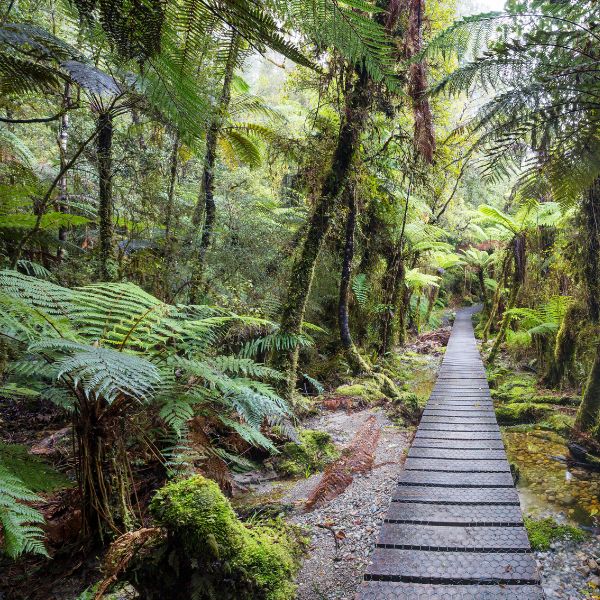
An environmentally friendly alternative to traditional burials. Simply, it means allowing conditions for speedy decomposition, and regeneration of a natural forest above the graves. There are specific burial sites around New Zealand that offer natural burials.
Eco/Green burials
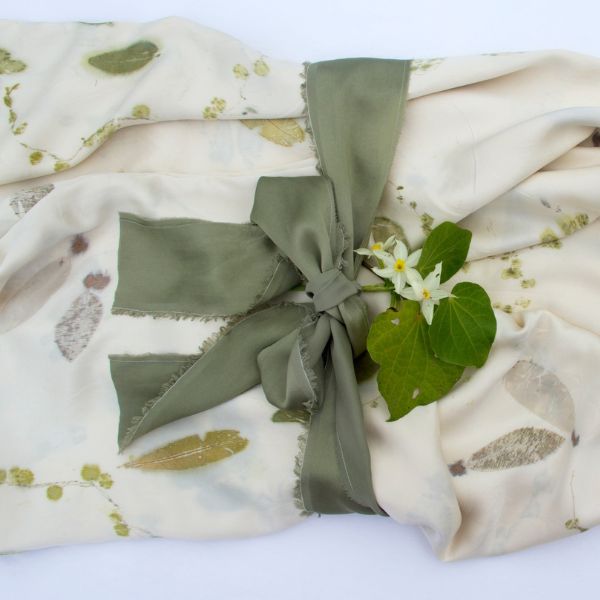
This generally focuses on reducing impacts on the environment. There are many different choices that you can make at each stage of the after-death care process to limit waste, reduce carbon emissions and even nourish the local ecosystem.
Sea Burials
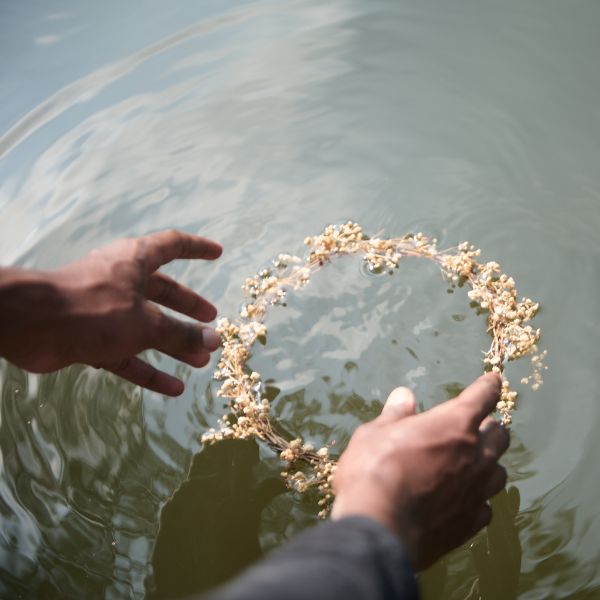
If your loved one has requested a sea burial, there are a few rules and requirements that need to be followed such as: a sea burial must take place more than 12 nautical miles offshore at one of five authorised places, in waters deeper than 500 meters
What happens at a natural burial?
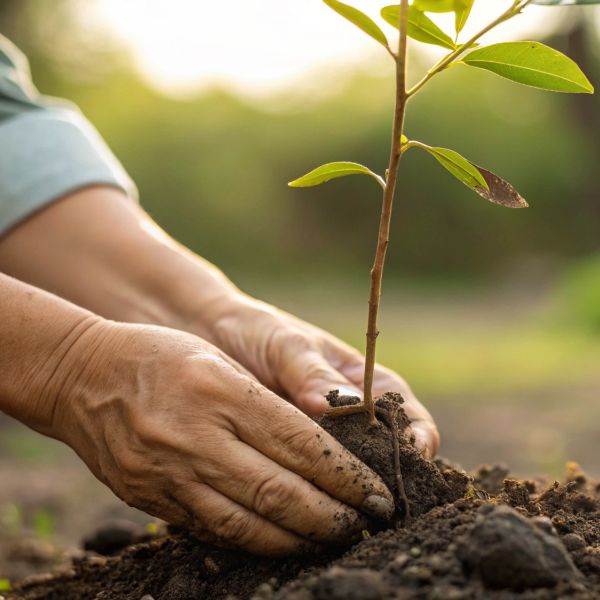
The body is dressed in natural fibres and buried in a biodegradable coffin or shroud and placed in a shallow grave. The depth of the grave means the body lies within the active soil layer which helps to speed up the decomposition process. After the burial, a native tree is planted over the plot, creating a natural living memorial to those buried there.
Natural burials require far fewer resources for the care of the body and skip a number of the traditional steps, making them better for the environment, and more cost efficient. Essentials of a natural burial include: no embalming, no non-biodegradable materials, coffins need to be untreated sustainable wood, maintaining and protecting natural habitat.
Photo: Outside the Box Eco Carboard Coffin

What are some green burial options?
There are many different choices that you can make at each stage of the after-death care process to limit waste, reduce carbon emissions and even nourish the local ecosystem.
Things you could think about include:
- Substituting toxic burial containers for coffins made with untreated wood and organic liners, or even a shroud made from organic biodegradable cotton
- Not embalming the body as embalming fluid is made from formaldehyde and will seep into the ground and pollute the soil
- Requesting refrigeration if you are using a funeral home, or if you are caring for the body at home, you can use ice and fans to keep the body cool
- Mourners can plant a tree or bush, as a suitable alternative to flowers.
What happens at a sea burial?
A sea burial must take place more than 12 nautical miles offshore at one of five authorised places in New Zealand, in waters deeper than 500 meters
At least three days before the burial, the person responsible for the burial must send the EPA a copy of the Medical Certificate and a proposal outlining where and how the burial will take place.
If your proposal meets the requirements, the EPA will issue a ‘Certificate of Compliance’ to allow the burial to happen. The EPA will notify every affected iwi, hapū, customary marine title group, and protected customary rights group about the planned date and location of the burial
Within 10 working days of the burial, the person responsible for the burial must send evidence to the EPA that the burial took place at the agreed location, and that the casket or container remained in one piece when it entered the sea, and sank to the sea floor and did not resurface.