Children at Funerals
Children process grief in a different way to adults – some might be very upset, some might act oblivious, and both of these reactions are ok. Every child is different.
Children can also visit the body of a loved one if they are well prepared, supported, and willing. For many, it can be a meaningful and helpful part of grieving. The key is choice, honesty, and gentle support, tailored to the individual child.
How to involve children in the funeral service
Grieving children can be helped by being included in the planning of memorial ceremonies and taking part. Children shouldn’t be forced to get involved in these ceremonies but encouraged to do as much as they feel comfortable with. These occasions are a time to symbolically say goodbye and can help children (and adults) to remember loved ones. Being involved can also help children to accept that a loved one is no longer here.
Encouraging them to draw pictures, place flowers or write stories for or about their loved one is healing. These may be placed with their loved one as a “special gift” from them. Allowing them to stand with their family members during eulogies or readings is a way of including them in the ceremonies. Children can be creative and resilient. They might surprise you positively with their views on death and their ideas on how to be involved.
You could make children part of the ceremony, blowing bubbles or releasing coloured balloons. Some people decorate their own coffins and children can take part in creating this special part of the ceremony.

Preparing children for a funeral
You might want to spend some time preparing your children for the experience to describe what the service might be like and what might happen. Here are a few tips on how this could look:
- Ask your child if they would like to go – giving them the option helps them feel part of the decision-making process.
- Be prepared to answer their questions. Make time to fully answer them in plain age-appropriate language to make sure they understand.
- Avoid euphemisms. Children tend to take things literally so words like, “he’s gone to sleep,” or “she went on a journey” might result in more confusion
- Make sure that your child understands that the body has stopped working, that it doesn’t need food or air and that it cannot feel any pain.
- Describe what will happen before, during and after the service.
- You might want to say that people will be wearing darker clothes and they might be visibly upset.
- Let their schools know so that they can help support your child to try and make the grieving process easier at school.
- Offer your child plenty of reassurance, let them know that they can change their mind at any time and occasionally check that they’re happy with the decision they’ve made.

Frequently Asked Questions
If you are comfortable with it, let children see their loved ones during the dying phase and after death. This helps them process the transition from life to death. Being with their loved one in death reinforces to them that death is natural, not scary and lets them see for themselves the peace that surrounds their loved one in death. It allows them to witness, express and share the raw grief that is a part of this time.
There is no single “right” answer to whether children should visit the body of a loved one who has died. It depends on the child, their age and temperament, the circumstances of the death, and the support available. What matters most is that the decision is guided by the child’s needs rather than adult assumptions or fears.
If you prefer that your children do not attend the funeral, here are some ideas for other ways they can say goodbye: Visiting the grave or memorial site; Lighting a candle; Create a book of remembrance together; Draw a picture or write a poem.
For some children, seeing the body can: Help them understand that death is real and final, which can reduce confusion or magical thinking; provide an opportunity to say goodbye in their own way; make death feel less frightening when it is explained calmly and honestly; support healthy grieving by allowing them to be included, rather than excluded. Many children cope better when they are not left to imagine what has happened.
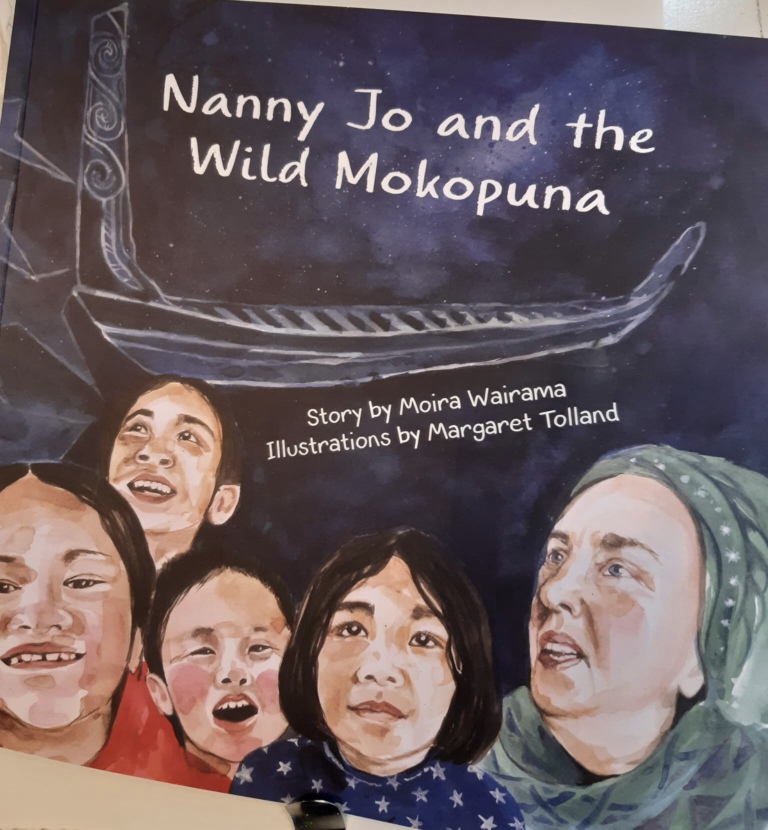
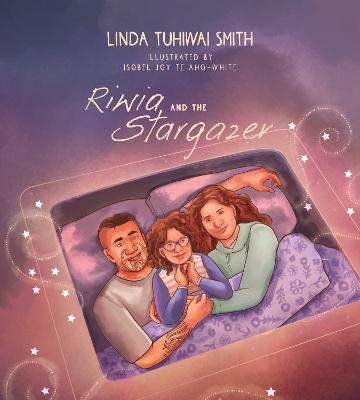
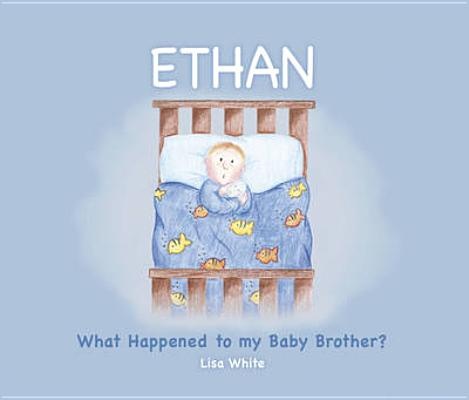
Picture books about dying and grief
A selection of picture books about loss and grief to support and help children to better understand death. Books are written and illustrated by both New Zealand and international authors.