Being a Caregiver
Being a caregiver to someone who is dying might be one of the most demanding and challenging experiences of your life. We die in many different ways, and for some, the need for palliative care can continue for many weeks, months or even years.
Supporting someone you love, day to day through the end stage of life, can be an incredibly exhausting and challenging experience, but can equally be exceptionally rewarding, as a true expression of love and humanity.
Caring for someone while you are grieving
People do not just mourn and grieve at the time of or after a death. Those who are dying, as well as all those who love them, will be grieving from the moment they find out they are going to die. Throughout the days, weeks and months, you will continually grieve for the many losses you have had or will have until the final loss of death.
We grieve many things – knowing we won’t see our children/grandchildren grow older, the loss of important relationships, loss of the ability to work, loss of companionship of workmates, loss of the ability to do household chores e.g. lawns, firewood, loss of the ability to shower independently, as well as the bigger loss of future hopes and dreams. These losses affect people differently and they are all very valid and important – it is normal and acceptable to mourn their loss. Mourning these losses as they happen allows people to move through grief more gradually, to reach a place of acceptance.
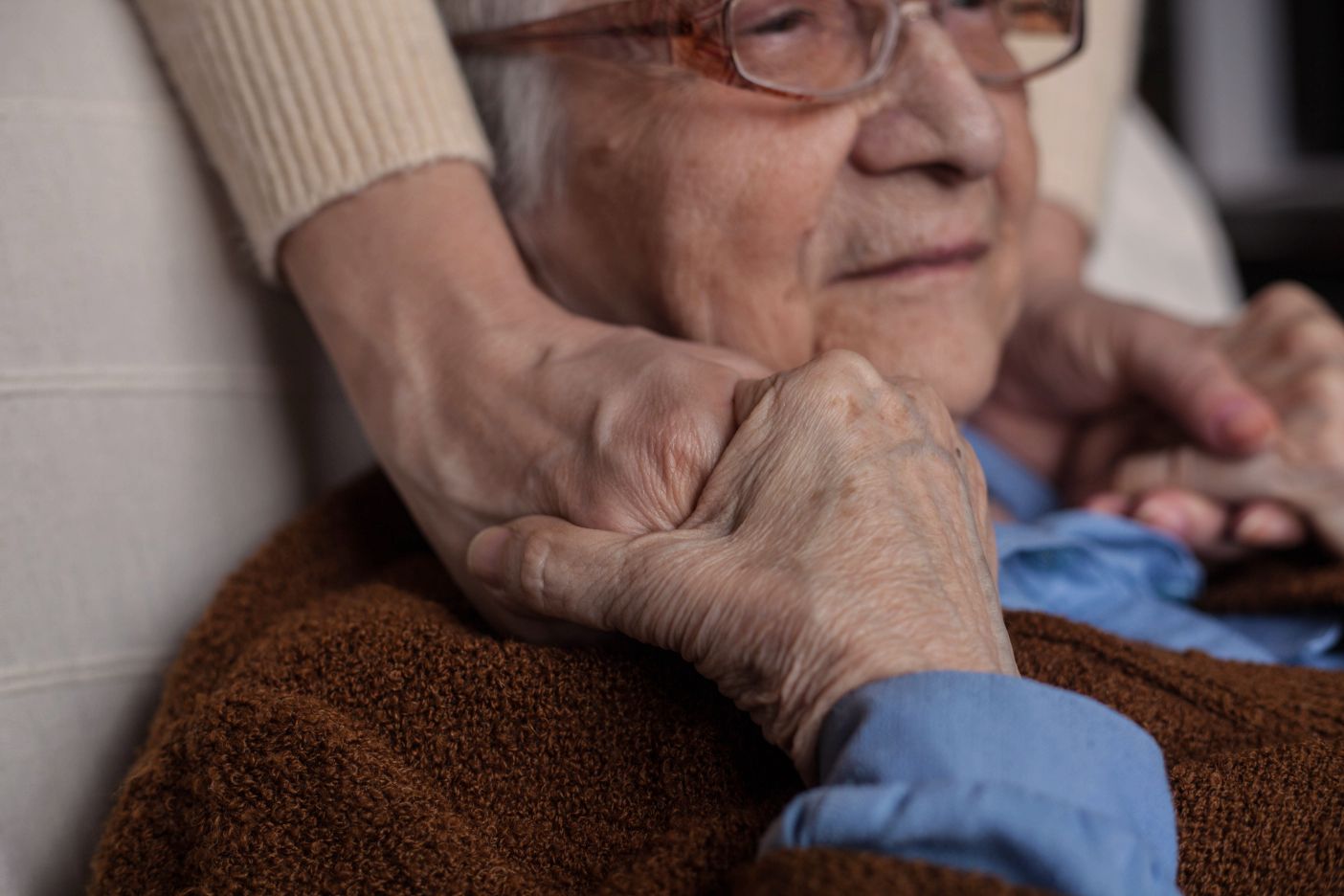
How to take care of yourself as a carer
Taking care of yourself will mean you can better care for your loved one and handle the sometimes extreme physical and emotional demands of caregiving. If you are the main carer, you will need to consider your capacity for caring among the many other demands of life, including work, children and other family.

Here are some ways to support yourself:
- Accept that you will need help from others. Welcome this support. Identify who might be able to help you and call on them early.
- Make a list of names and phone numbers of everyone who can help you. You may like to set up a group chat on Messenger or WhatsApp to make it easy to coordinate when you need a break, or supplies delivered.
- Be realistic about how much you can and can’t manage. Know your limits, accept help when you can and learn to say no.
- Look after your physical health – eat well, exercise regularly and get enough sleep.
- Talk regularly with family/whānau, friends or health professionals about what you feel, need, and how they can help.
- Grieving begins long before someone dies. It’s important to share these feelings to help with your processing.
- Remember it’s okay to find joy and humour in life, even when someone you love is dying.
- Keep living – even though you are caring for someone who is dying, it’s important to keep living. Identify things you enjoy and take time out to do them.
- Find a local or online support group and share your feelings so they don’t grow.
Getting help with caring for your loved one
If you can’t care for your loved one full-time, it doesn’t mean you can’t still care for them at home, but you’ll need to think carefully about your resources as you may need to pay for some care privately.
Every person’s situation is different – sometimes people have other family and friends that can support you, and sometimes people are the sole carer for their loved one. People often want to be able to care for their loved ones at home, but the physical and emotional challenges may be too great, so it’s important to try to think about your needs ahead of time. For example, you may want to reach out to residential care facilities ahead of time if you think that this might be something you may need in the months ahead.
What is carer fatigue?
It is a long and tough road caring for someone who is dying, and it is likely that you will face times of physical and emotional exhaustion, this is normal. Carers can often feel alone in their sense of grief, frustration and hurt. As much as we want to, we cannot take the pain away from others.
Include as many people as you can to help share the load and remember that the biggest gift we can provide someone who is dying is a comfortable and loving end to their journey. Read more about what caring for a loved one looks like.