Eulogies and Obituaries
Eulogies and obituaries are two important ways to honour and remember someone who has died. While both celebrate a person’s life and share their story, they serve different purposes and audiences.
What is a eulogy?
A eulogy is a speech about someone’s life, memories shared and moments experienced to give tribute to a person who has died and the people they have impacted throughout their lifetime.
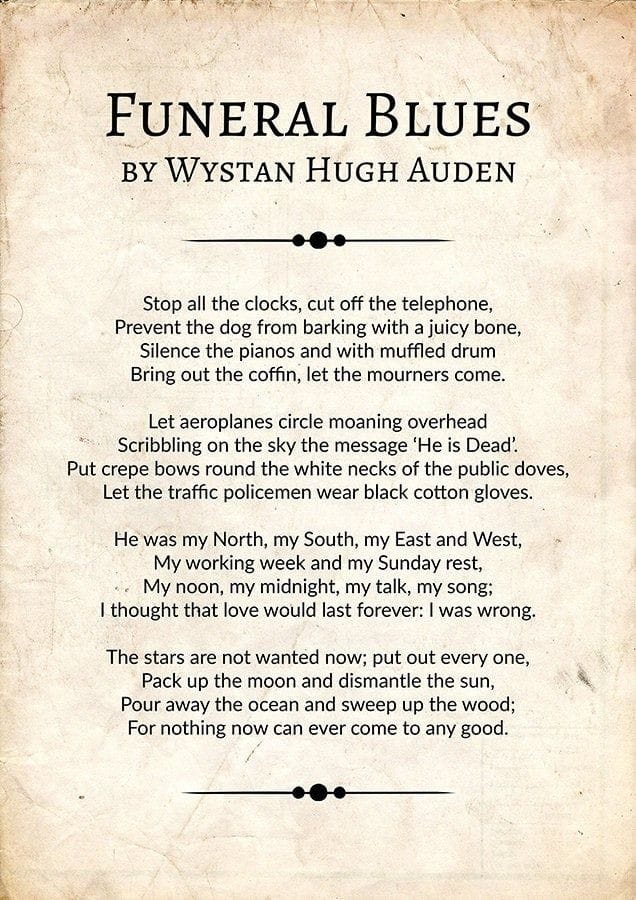
The eulogy is usually read aloud at a farewell service or memorial by a family member, close friend, religious figure or a celebrant. There are no rules around the format of the eulogy; it can be a story, a song, a poem, and there can be multiple eulogies from different people.

Tips for preparing a eulogy
Start by gathering information about the person’s life. Speak to as many family and friends as possible and ask them to share stories, memories and anecdotes about the person. This will help you to get a deeper sense of their personality, their values and their passions.
Focus on the positive aspects of the person’s life. Talk about their achievements, their strengths and their good qualities. This will help to celebrate their life and offer comfort to loved ones.
Personalise the eulogy. Speak from the heart, and share your own memories and feelings.
Include quotes, poems or songs. This can help to capture their personality and offer comfort to their loved ones.
Practice. Before delivering the eulogy, practice it several times. This will help you to feel more confident and ensure that the tone and content are appropriate for the occasion. It can also help to read in front of a family member or friend to fact check the information and possibly identify any areas that need editing or improving


Frequently Asked Questions – EULOGIES
A eulogy can be delivered by a family member, close friend, religious figure, or celebrant. The best person to deliver a eulogy is someone who knew the deceased well and feels comfortable speaking in front of others. It’s common for multiple people to deliver eulogies at a service, each sharing different perspectives and memories.
Begin your eulogy by introducing yourself and explaining your relationship to the deceased. Those attending the service will want to know who you are and why you’re speaking. You might say something like “My name is Sarah, and I’m John’s daughter” or “I’m Michael, and I had the privilege of being David’s friend for over 30 years.”
While a eulogy is a serious occasion, it’s also okay to use humour to lighten the mood. If they had a good sense of humour, share some of their funny stories or jokes.
A eulogy should be brief and to the point. Aim for a length of around 5-10 minutes, depending on the occasion. This will help to keep the focus on the person and their life and avoid losing people’s attention.
You should write out your eulogy word-for-word rather than trying to speak from memory or improvise. Having everything written down helps you stay focused and on track, especially during such an emotional time. Print your eulogy in a large, clear font with double spacing, which makes it easier to read and provides space for any last-minute handwritten notes. Even experienced public speakers use written notes for eulogies because emotions can make it easy to forget what you planned to say. Many attendees may also ask for a copy of the eulogy afterwards as a keepsake, so having it written out serves multiple purposes.
What is an obituary?
An obituary is a written tribute published publicly to announce a death and share key details about the person’s life and funeral arrangements. It is traditionally published in newspapers or online.
Obituaries are an important way of remembering and honouring your loved one once they have passed away, and should be written by someone who knew the deceased person well, as they contain personal stories about the person’s life, as well as information about funeral or memorial services.

Frequently Asked Questions – OBITUARIES
While it’s important to provide factual information, like full name, age, date of birth, and date of death, this can be an opportunity to include personal stories and anecdotes to help give readers a sense of who the person was in life. You could talk to various family and friends to find out more about your loved one’s past and pick out the most memorable events. These might involve career moves, relationships, children, pets or community involvement.
In New Zealand, obituaries are typically published in local newspapers, online publications and funeral home websites and in most cases you will be able to book directly with them via their website. Newspapers will usually ask for proof of the death of the person before they will publish an obituary notice.
It is not uncommon for a person to write their own obituary. This can be a very cathartic process, being able to look back on your life and take stock of everything you have achieved. As well as a final goodbye to your loved ones, you can pass on your hopes for them and leave them with any advice or pearls of wisdom.
If writing your own obituary is something you would like to do, the Go With Grace planning tool includes a special section for you to write one, with prompts to guide you. Some people prefer this so that they can get all of the details about their life correct, and ensure that they are remembered in their own way.