What families in Aotearoa need to know about Dementia
Dementia affects thousands of people and their whānau across Aotearoa New Zealand. While there is still no cure, research is deepening our understanding of prevention, early detection and management and there are growing opportunities to support brain health and quality of life.
According to Alzheimers New Zealand, around 70,000 Kiwis are living with dementia now (2025) and that number is increasing as our population ages. Three New Zealanders are developing dementia every hour, according to alarming new research from an Auckland University study, with a total of 500 new cases every week. The study projected that by 2050, nearly 170,000 New Zealanders could be living with dementia.

Dementia Friendly New Zealand
To make a difference to the lives of people living with dementia, their carers and whānau; Alzheimers NZ has created free programmes and initiatives that contribute towards a dementia-friendly NZ.
“We want Aotearoa New Zealand to be an open and inclusive society – a friendly place where people living with dementia can exercise their right to feel valued and safe, and where they can contribute to and participate in their communities, and where they get the help and support they need.”
Supporting life with Dementia
Even without a cure, dementia can be managed in ways that support quality of life, dignity and participation. Planning ahead including legal, financial and personal wishes gives families greater confidence and peace of mind. Explore some of the tools available to help below.



GPS Tracker for Wandering
Track a loved one at risk of wandering. SOS button, GPS + Wi-Fi location, and fall detection in one small device — alerts go to family. More info…
My Life’s Journey App
My Life’s Journey app uses reminiscence therapy to guide users to record and reflect on moments that weave together the story of their life. More info…
Enduring Power of Attorney
An EPOA allows a person to choose in advance who can make decisions for them if they lose mental capacity (before it happens). Find out more…
Early detection and diagnosis
New diagnostic tools, including specialist blood tests in clinical settings, are making it easier to identify Alzheimer’s and other types of dementia earlier in the disease process. Early diagnosis can help families plan ahead, access support services, and discuss management options with healthcare teams.
In New Zealand, diagnosing dementia (mate wareware) involves a step-by-step clinical process.
1. GP assessment of symptoms and medical history
2. Cognitive testing to measure memory and thinking
3. Tests & scans to exclude treatable causes
4. Specialist referral when needed
5. Diagnosis discussion and planning
6. Ongoing support and management
What research says about prevention
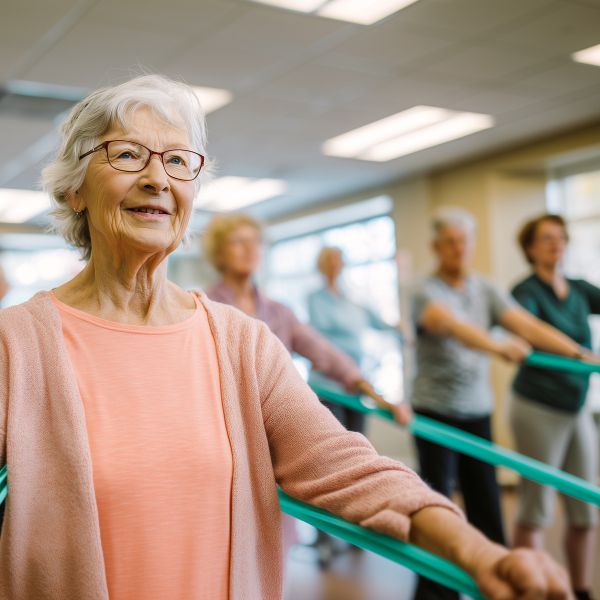
As we get older, our risk of developing dementia increases. However, evidence shows there are things you can do to help reduce this risk.
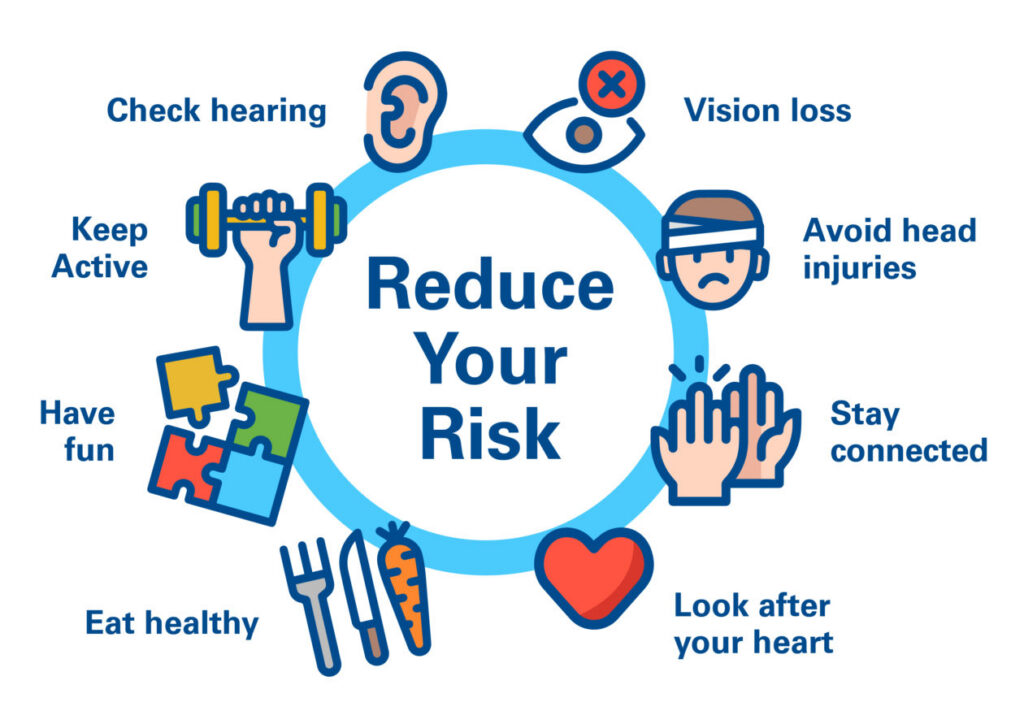

GUIDELINES: Alzheimers New Zealand recommends looking after your heart, keeping active, eating healthily, staying mentally active and social, doing activities you enjoy, avoiding knocks to the head and checking your vision and hearing. More about reducing the risks…
PODCAST: Alzheimer’s expert Louisa Nicola explains early Alzheimer’s risk, why creatine fuels brain energy and memory, deep sleep hacks, and why sitting is a silent killer!
She explains: Why 70% of Alzheimer’s patients are women; The “leaky brain” warning signs you are ignoring; Why menopause triggers a 30% drop in brain energy. Listen Now…
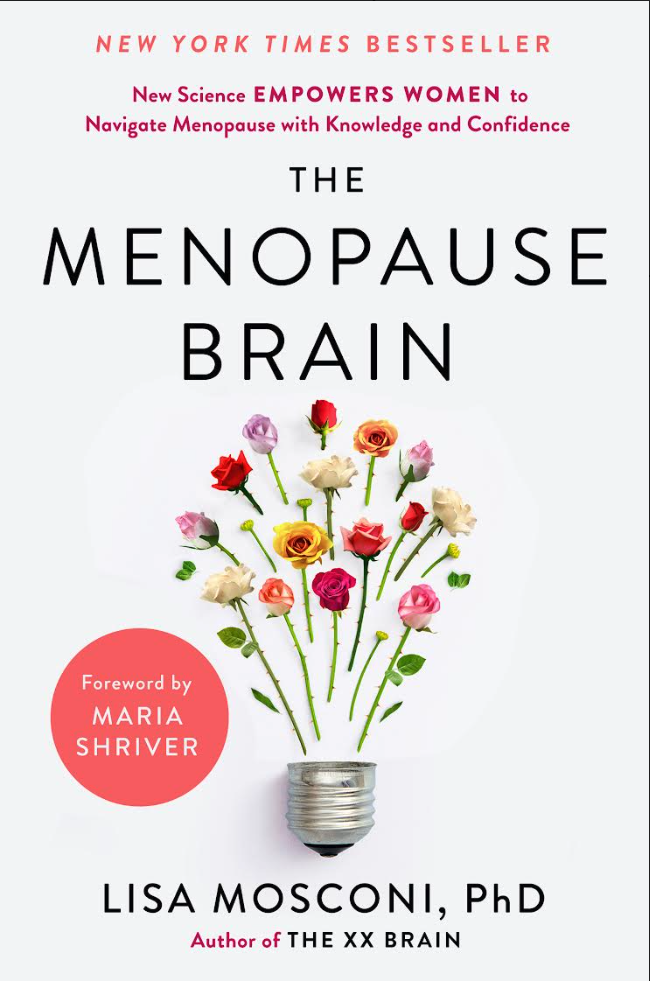
BOOK: Dr. Lisa Mosconi is a neuroscientist who directs an Alzheimer’s Prevention Program and Women’s Brain Initiative, and her work focuses on brain health across the lifespan — including during menopause. That background informs her book’s focus on how midlife changes relate to later dementia risk and how to mitigate it. Buy now…
Dementia is a journey that affects not just one person, but the whole whānau. While there are challenges, you are not alone – there are resources, services and communities ready to walk alongside you. Learning more, planning early, connecting with others and accessing support can help you navigate this path with confidence and compassion.
